


I am interested in the spatial ecology of beneficial insects in agricultural landscapes. For my undergraduate and M.Sc. research at Yale University, I focused on the interaction networks of wild bee communities in old-field meadows across human impact gradients. For my Ph.D., I would like to continue studying landscape scale beneficial insect dynamics and theory-driven conservation with Prof. Bryan Danforth. I am particularly interested in understanding early season forage provisioning and factors affecting nest site availability for wild bee pollinators in apple orchards.
Request More Info
More Info
Overview and Courses
These courses equip beekeepers from the hobby level to the commercial level with the concepts, knowledge, and best management practices needed to pass Cornell University’s Master Beekeeping Certificate written, oral, and field examinations.
By the end of these beekeeping courses, you will have the skills and knowledge needed to keep colonies healthy and productive year after year. You’ll be able to expand the amount, quality, and type of bee products and services you produce, and you’ll have the understanding to determine whether to take advantage of the business opportunities that beekeeping can provide. You’ll gain a deep understanding of honey bees as living organisms and be able to navigate controversial topics so you can communicate with credibility in the beekeeping community. Lastly, you’ll be able to act as a resource to educate new beekeepers and participate in bee research and outreach.
In order to receive the final certificate, students must contribute meaningfully to a set number of discussions, moderated by Cornell University Master Beekeeping facilitators, and pass the written, oral, and field exams. The exams include a written exam, the delivery of a presentation, and a field exam where individuals will demonstrate key beekeeping skills. A Cornell University Master Beekeeping Certificate from Cornell University's College of Agriculture and Life Sciences, Department of Entomology, will be awarded to individuals who successfully complete the required coursework and receive a passing grade on all three exams.
The courses in this certificate program are required to be completed in the order that they appear. The exams can be scheduled and completed simultaneously.
Please note there is a prerequisite of three years’ minimum experience in order to enroll in the program.
Course list
Effective hive management requires an understanding of the behavior, physiology, and evolution of these amazing and complex creatures. Explore this critical knowledge with world-renowned honey bee experts as well as Cornell University researchers and extension associates. This course serves as a foundation to help you understand the characteristics of a colony and how these traits and behaviors support colony survival and success. This information can be applied as you develop your hands-on beekeeping skills and will translate directly into your hive management practices. In addition, it will enable you to better understand the current scientific research and communicate with credibility within the beekeeping community.
This is the first in a series of courses that equip beekeepers at the hobby, sideliner, and commercial levels with the concepts, knowledge, and best management practices needed to pass the written, oral, and field components of Cornell University's Master Beekeeping Certificate.
View Course Start Dates Hide Course Start Dates
View Course Details- Jul 15, 2026
- Sep 9, 2026
- Nov 4, 2026
- Dec 30, 2026
- Feb 24, 2027
- Apr 21, 2027
- Jun 16, 2027
Supporting your colonies' ability to thrive and achieving your desired outcomes requires a systematic approach and the application of practical techniques and knowledge. In this course, you will discover how to predict what to expect in your colony season by season. You'll gain confidence in your ability to analyze different situations and make informed management decisions based on the scientific principles you study here. Apply the hands-on techniques used by experienced expert beekeepers, honey bee biologists, and the Cornell University Honey Bee Extension team to keep your colonies healthy and to produce your desired outcomes year after year.
This course equips beekeepers at the hobby, sideliner, and commercial levels with the concepts, knowledge, and best management practices needed to pass the written, oral, and field components of Cornell University's Master Beekeeping Certificate. View Course Start Dates Hide Course Start Dates
View Course Details- Aug 5, 2026
- Sep 30, 2026
- Nov 25, 2026
- Jan 20, 2027
- Mar 17, 2027
- May 12, 2027
Managing pests and diseases is the number one reason beekeepers reach out to the Cornell University Honeybee Research and Extension Program for support. In this course, you will gain knowledge about honey bee immunity as well as how to apply Integrated Pest Management (IPM) principles to prevent and control all known pests, parasites, and pathogens that interfere with honeybee health and productivity. As a result, you'll feel confident in your ability to monitor, diagnose, and control specific problems in your colonies as you identify how to be proactive and take charge of the health of your bee operation.
This course equips beekeepers at the hobby, sideliner, and commercial levels with the concepts, knowledge, and best management practices needed to pass the written, oral, and field components of Cornell University's Master Beekeeping Certificate. View Course Start Dates Hide Course Start Dates
View Course Details- Aug 26, 2026
- Oct 21, 2026
- Dec 16, 2026
- Feb 10, 2027
- Apr 7, 2027
- Jun 2, 2027
Beekeepers are in a unique position to both reap financial benefit from their hives and contribute to the health of pollinator populations and the greater beekeeping community. In this course, you will examine major hive products and services, how to grow your operation, and what options to consider for beekeeping as a business. Even if you are not interested in making a profit from your bees, you will gain a valuable appreciation for the beekeeping industry, and understand how hard bees and beekeepers work.
You will also determine how to evaluate the quality of information sources about bees and beekeeping, allowing you to contribute to education, research, and outreach, as well as participate in research activities, mentor less-experienced beekeepers, and raise awareness on pollinator issues. This course will prepare you to be a leader in your beekeeping community.
This course equips beekeepers at the hobby, sideliner, and commercial levels with the concepts, knowledge, and best management practices needed to pass the written, oral, and field components of Cornell University's Master Beekeeping Certificate. View Course Start Dates Hide Course Start Dates
View Course Details- Jul 29, 2026
- Nov 18, 2026
- Jan 13, 2027
- Mar 10, 2027
- May 5, 2027
- Jun 30, 2027
This course provides an overview of the examinations required to earn the Cornell University Master Beekeeping Certificate. Here you will find information to help you prepare for your exam, including general descriptions of each evaluation component and contact information for exam support. You must complete all required coursework prior to completing the evaluations.
You will find more information on how to schedule your in-person exams, if applicable, or your virtual oral exam, in the corresponding exam sections. You may take the exam either online or in person at Dyce Lab, Cornell University in Ithaca, New York, and you will select your preferred format when enrolling.
A written examination demonstrating comprehension and application of knowledge learned in coursework. This section is the virtual version of the written examination, and will be completed online (within this course). It will consist of both multiple-choice, short-answer, and long-answer questions. Students must score 70% or higher on their written examination in order to pass this component of the final examination.
Additional information surrounding preparation and what to expect will be provided in the Master Beekeeping Exam Series Overview course.
The following courses are required to be completed before taking this course:
- Honey Bee Evolution, Biology, and Behavior
- The Science and Art of Beekeeping
- Managing Pests and Diseases
- The Rewards and Contributions of Beekeeping
- Master Beekeeping Exam Series Overview
View Course Start Dates Hide Course Start Dates
View Course Details- Aug 19, 2026
- Oct 14, 2026
- Dec 9, 2026
- Feb 10, 2027
- Apr 7, 2027
- Jun 2, 2027
A written examination demonstrating comprehension and application of knowledge learned in coursework. Please note, this section is the in-person version of the written examination and will be held at Dyce Lab, Cornell University, in Ithaca, New York. The written exam consists of multiple-choice, short-answer, and long-answer questions. Students must score 70% or higher on their written examination in order to pass this component of the final examination.
Additional information surrounding preparation and what to expect will be provided in the Master Beekeeping Exam Series Overview course.
The following courses are required to be completed before taking this course:
- Honey Bee Evolution, Biology, and Behavior
- The Science and Art of Beekeeping
- Managing Pests and Diseases
- The Rewards and Contributions of Beekeeping
- Master Beekeeping Exam Series Overview
Delivery of a 15-minute oral presentation demonstrating applied knowledge of beekeeping and research beyond the information provided in the coursework. This section is the virtual version of the oral examination, and can be completed remotely using video conference technology. Your research topic must be approved by the course facilitator and the oral presentation must be accompanied by visual slides. Students will be evaluated on the following criteria:
- Their ability to locate, critically evaluate, and interpret the scientific literature and other information sources
- The presentation's informational content
- The presentation's organization
- Their communication skills
- The presentation's level of appropriateness for the audience
- Their ability to answer follow-up questions from the facilitator
Students must score 70% or higher on their oral examination in order to pass this component of the final examination.
Additional information surrounding preparation and what to expect will be provided in the Master Beekeeping Exam Series Overview course.
The following courses are required to be completed before taking this course:
- Honey Bee Evolution, Biology, and Behavior
- The Science and Art of Beekeeping
- Managing Pests and Diseases
- The Rewards and Contributions of Beekeeping
- Master Beekeeping Exam Series Overview
View Course Start Dates Hide Course Start Dates
View Course Details- Aug 19, 2026
- Oct 14, 2026
- Dec 9, 2026
- Feb 10, 2027
- Apr 7, 2027
- Jun 2, 2027
Delivery of a 15-minute oral presentation demonstrating applied knowledge of beekeeping and research beyond the information provided in the coursework. Please note, this section is the in-person version of the oral examination, and will be held at Dyce Lab, Cornell University, in Ithaca, New York. Your research topic must be approved by the course facilitator and the oral presentation must be accompanied by visual slides. Students will be evaluated on the following criteria:
- Their ability to locate, critically evaluate, and interpret the scientific literature and other information sources
- The presentation's informational content
- The presentation's organization
- Their communication skills
- The presentation's level of appropriateness for the audience
- Their ability to answer follow-up questions from the facilitator
Students must score 70% or higher on their oral examination in order to pass this component of the final examination.
Additional information surrounding preparation and what to expect will be provided in the Master Beekeeping Exam Series Overview course.
The following courses are required to be completed before taking this course:
- Honey Bee Evolution, Biology, and Behavior
- The Science and Art of Beekeeping
- Managing Pests and Diseases
- The Rewards and Contributions of Beekeeping
- Master Beekeeping Exam Series Overview
An evaluation of fieldwork demonstrating application of effective management techniques learned in the coursework. This section is the virtual version of the field examination, and will be completed remotely using video-recording technology. Students are expected to supply their own protective gear. Thin medical gloves are permitted, but leather gloves are not. Examples of techniques to be demonstrated include (but are not limited to) the following:
- Performing a split
- Performing a merge
- Making a nuc
- Performing proper inspections
- Identifying pests and diseases
- Monitoring for pests and diseases
- Handling queens
- Assessing the nutrition of the colony
- Troubleshooting issues
Students must score 70% or higher on their field examination in order to pass this component of the final examination.
Additional information surrounding preparation and what to expect will be provided in the Master Beekeeping Exam Series Overview course.
The following courses are required to be completed before taking this course:
- Honey Bee Evolution, Biology, and Behavior
- The Science and Art of Beekeeping
- Managing Pests and Diseases
- The Rewards and Contributions of Beekeeping
- Master Beekeeping Exam Series Overview
View Course Start Dates Hide Course Start Dates
View Course Details- Aug 19, 2026
- Oct 14, 2026
- Dec 9, 2026
- Feb 10, 2027
- Apr 7, 2027
- Jun 2, 2027
An evaluation of fieldwork demonstrating application of effective management techniques learned in the coursework.Please note, this section is the in-person version of the field examination and will be held at Dyce Lab, Cornell University, in Ithaca, New York. Students are expected to supply their own protective gear. Thin medical gloves are permitted, but leather gloves are not. Examples of techniques to be demonstrated include (but are not limited to) the following:
- Performing a split
- Performing a merge
- Making a nuc
- Performing proper inspections
- Identifying pests and diseases
- Monitoring for pests and diseases
- Handling queens
- Assessing the nutrition of the colony
- Troubleshooting issues
Students must score 70% or higher on their field examination in order to pass this component of the final examination.
Additional information surrounding preparation and what to expect will be provided in the Master Beekeeping Exam Series Overview course.
The following courses are required to be completed before taking this course:
- Honey Bee Evolution, Biology, and Behavior
- The Science and Art of Beekeeping
- Managing Pests and Diseases
- The Rewards and Contributions of Beekeeping
- Master Beekeeping Exam Series Overview
Request more Info by completing the form below.
more Info
by completing the form below.Act today—courses are filling fast.
How It Works
Format
Blend of online and in-person options
Time Commitment
5 months with 3 to 5 hours of study per week
Cost
$899
Learn From Top Minds
Courses are developed by Cornell faculty.
Power Your Career
Gain today’s most in-demand skills to stand apart.
Flexibility Fits Your Life
Learn on your schedule without stepping out of your job.
Small-class Experience
Participate in facilitated discussions and live sessions with industry peers.
Real-world Projects
Apply learnings and insights to your work to make an impact right away.
Personalized Feedback
Enjoy meaningful feedback on assignments from expert facilitators.
Format
Blend of online and in-person options
Time Commitment
5 months with 3 to 5 hours of study per week
Cost
$899
Learn From Top Minds
Courses are developed by Cornell faculty.
Power Your Career
Gain today’s most in-demand skills to stand apart.
Flexibility Fits Your Life
Learn on your schedule without stepping out of your job.
Small-class Experience
Participate in facilitated discussions and live sessions with industry peers.
Real-world Projects
Apply learnings and insights to your work to make an impact right away.
Personalized Feedback
Enjoy meaningful feedback on assignments from expert facilitators.
- View slide #1
- View slide #2
- View slide #3
- View slide #4
- View slide #5
- View slide #6
- View slide #7
- View slide #8
- View slide #9
Faculty Authors
Katherine Urban-Mead
Extension Outreach Assistant
Cornell Dyce Lab for Honey Bee Studies
PhD Student & Honey Bee Extension Outreach Assistant, Dyce Lab of Honey Bee Studies, Cornell University
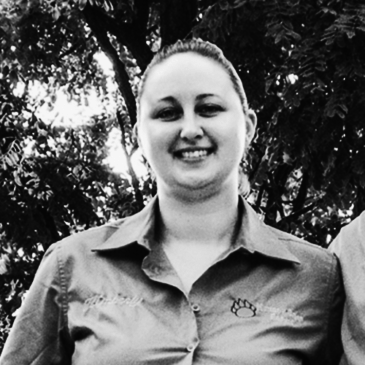
Kimberly Carpenter
Secretary
Ontario Finger Lakes Beekeepers Association
Secretary, Ontario Finger Lakes Beekeepers Association
Kimberly is a second generation beekeeper who is following in the footsteps of her grandmother in her love for beekeeping and the natural world. With her husband Ben, she is the current owner of their two companies; Hungry Bear Farms & Ross Rounds. With a focus on education, Kimberly has traveled and participated in numerous training workshops from Queen Rearing at Penn State University to pests & diseases workshops and has helped bring beekeeping education back to her local club in New York. She aides in running and operating their businesses but her primary function is head of the beekeeping division of Hungry Bear Farms. She focuses on managing their honey bee colonies for queen rearing & nuc production and sales, honey production and crop pollination, as well as managing their new migratory operation in Florida. Kimberly holds many beekeeping classes in and out of the apiary every year to help educate beekeepers on many topics including colony health, sustainable beekeeping practices, the importance of genetics for improving stock, and diagnosing & managing pests and diseases. She teaches several full day beginner beekeeping classes for their farm as well as helps teach at her local clubs class. She is also a co-coordinator for the Geneva Bee Conference which brings education and well known speakers in the beekeeping industry to NY each March. Lastly, she helps with various schools and Board of Cooperative Educational Service programs in New York state to help with beekeeping education in the school system and the importance of our impact on the environment.
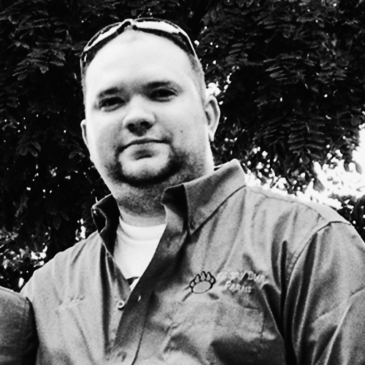
Ontario Finger Lakes Beekeepers Association
Ben is a third generation beekeeper and currently owns two beekeeping supply companies with his wife Kimberly; their farm business Hungry Bear Farms and their manufacturing business Ross Rounds. Ben’s primary function is managing their businesses, coordinating logistics and heading up the commercial sales division of Hungry Bear Farms. He is the current Director at Large for New York State’s beekeeping association and helps with marketing and technical resources. He is the current president of his local beekeeping association in Canandaigua New York and the Ontario Finger Lakes Beekeepers Association, where he coordinates their meetings & brings in speakers from all over the country. He also teaches beginner beekeeping classes for their farm with Kimberly, as well as at their local club. Ben also helps Kimberly with their migratory beekeeping operation in Florida with managing trucking and logistics. Ben is a co-coordinator for the Geneva Bee Conference, helping bring beekeeping education and speakers to a wider audience in NY State. He enjoys escaping into the beeyard when he gets a free moment.
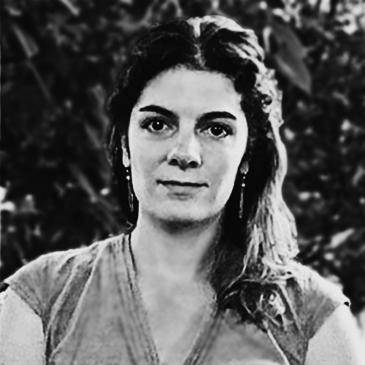
Eleanor Andrews
Extension Assistant
Cornell Dyce Lab for Honey Bee Studies
PhD Candidate & Honey Bee Extension Assistant, Dyce Lab of Honey Bee Studies, Cornell University
Ellie received a master’s degree in Geography (Penn State University, 2012) and a bachelor’s degree is in Political Science and French (Amherst College, 2006). In 2017-18, she taught in the Environmental Studies department at Hobart and William Smith Colleges.
She is interested in the human relationship to the environment: dueling visions of sustainability, the social causes and consequences of climate change, the implications of the Anthropocene for conservation, and more. Political economy and political ecology underpin her research, with forays into environmental history, science and technology studies, and nature-society geography.
Her current research examines how beekeeping is changing in response to ongoing honey bee health challenges, as it becomes ever more difficult to keep bees healthy and productive. Through participatory observation and interviews, her work shows how competing visions of “sustainable beekeeping” are being re-shaped by novel ecologies, challenges to conventional authority and expertise, and the hybridity of honey bees as part-wild, part-domesticated creatures.
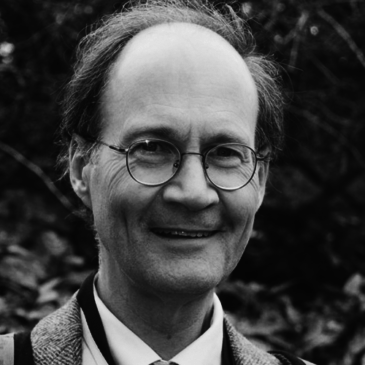
Horace White Professor in Biology, Department of Neurobiology and Behavior, Cornell University
Thomas D. Seeley, biologist and writer, is a professor in the Department of Neurobiology and Behavior at Cornell University. He teaches courses on animal behavior and does research on the behavior, social life, and ecology of honey bees. Tom is an avid beekeeper and began keeping bees while a high school student, when he shook a swarm into a box and brought it home. His scientific work is summarized in four books: Honeybee Ecology (1985), The Wisdom of the Hive (1995), Honeybee Democracy(2010), and Following the Wild Bees (2016). In recognition of his scientific contributions, he has been honored by an Alexander von Humboldt Distinguished U.S. Scientist Award, awarded a Guggenheim Fellowship, and elected a Fellow of the American Academy of Arts and Sciences. He writes:”These awards are gratifying, but for me the most important prizes by far are the discoveries that I have made about the inner workings of honey bee colonies.”

Emma Walters
Senior Extension Associate
Cornell Dyce Lab for Honey Bee Studies
Senior Honey Bee Extension Associate @ Cornell Dyce Lab for Honey Bee Studies
Emma Walters works with beekeepers to understand factors affecting honey bee health, with a focus on parasites, diseases, pesticides, and management practices. Emma is particularly interested in training beekeepers in methods that improve their colonies’ health. During her time at Cornell University, she led the NYS Beekeeper Tech Team and the Cornell University Master Beekeeping Program. Emma started beekeeping in 2011 in Ontario, Canada, and completed her Master’s degree investigating honey bee behavioral genetics at Western University in Canada.
Katherine Urban-Mead
Extension Outreach Assistant
Cornell Dyce Lab for Honey Bee Studies
PhD Student & Honey Bee Extension Outreach Assistant, Dyce Lab of Honey Bee Studies, Cornell University
I am interested in the spatial ecology of beneficial insects in agricultural landscapes. For my undergraduate and M.Sc. research at Yale University, I focused on the interaction networks of wild bee communities in old-field meadows across human impact gradients. For my Ph.D., I would like to continue studying landscape scale beneficial insect dynamics and theory-driven conservation with Prof. Bryan Danforth. I am particularly interested in understanding early season forage provisioning and factors affecting nest site availability for wild bee pollinators in apple orchards.
Kimberly Carpenter
Secretary
Ontario Finger Lakes Beekeepers Association
Secretary, Ontario Finger Lakes Beekeepers Association
Kimberly is a second generation beekeeper who is following in the footsteps of her grandmother in her love for beekeeping and the natural world. With her husband Ben, she is the current owner of their two companies; Hungry Bear Farms & Ross Rounds. With a focus on education, Kimberly has traveled and participated in numerous training workshops from Queen Rearing at Penn State University to pests & diseases workshops and has helped bring beekeeping education back to her local club in New York. She aides in running and operating their businesses but her primary function is head of the beekeeping division of Hungry Bear Farms. She focuses on managing their honey bee colonies for queen rearing & nuc production and sales, honey production and crop pollination, as well as managing their new migratory operation in Florida. Kimberly holds many beekeeping classes in and out of the apiary every year to help educate beekeepers on many topics including colony health, sustainable beekeeping practices, the importance of genetics for improving stock, and diagnosing & managing pests and diseases. She teaches several full day beginner beekeeping classes for their farm as well as helps teach at her local clubs class. She is also a co-coordinator for the Geneva Bee Conference which brings education and well known speakers in the beekeeping industry to NY each March. Lastly, she helps with various schools and Board of Cooperative Educational Service programs in New York state to help with beekeeping education in the school system and the importance of our impact on the environment.
Ontario Finger Lakes Beekeepers Association
Ben is a third generation beekeeper and currently owns two beekeeping supply companies with his wife Kimberly; their farm business Hungry Bear Farms and their manufacturing business Ross Rounds. Ben’s primary function is managing their businesses, coordinating logistics and heading up the commercial sales division of Hungry Bear Farms. He is the current Director at Large for New York State’s beekeeping association and helps with marketing and technical resources. He is the current president of his local beekeeping association in Canandaigua New York and the Ontario Finger Lakes Beekeepers Association, where he coordinates their meetings & brings in speakers from all over the country. He also teaches beginner beekeeping classes for their farm with Kimberly, as well as at their local club. Ben also helps Kimberly with their migratory beekeeping operation in Florida with managing trucking and logistics. Ben is a co-coordinator for the Geneva Bee Conference, helping bring beekeeping education and speakers to a wider audience in NY State. He enjoys escaping into the beeyard when he gets a free moment.
Eleanor Andrews
Extension Assistant
Cornell Dyce Lab for Honey Bee Studies
PhD Candidate & Honey Bee Extension Assistant, Dyce Lab of Honey Bee Studies, Cornell University
Ellie received a master’s degree in Geography (Penn State University, 2012) and a bachelor’s degree is in Political Science and French (Amherst College, 2006). In 2017-18, she taught in the Environmental Studies department at Hobart and William Smith Colleges.
She is interested in the human relationship to the environment: dueling visions of sustainability, the social causes and consequences of climate change, the implications of the Anthropocene for conservation, and more. Political economy and political ecology underpin her research, with forays into environmental history, science and technology studies, and nature-society geography.
Her current research examines how beekeeping is changing in response to ongoing honey bee health challenges, as it becomes ever more difficult to keep bees healthy and productive. Through participatory observation and interviews, her work shows how competing visions of “sustainable beekeeping” are being re-shaped by novel ecologies, challenges to conventional authority and expertise, and the hybridity of honey bees as part-wild, part-domesticated creatures.
Horace White Professor in Biology, Department of Neurobiology and Behavior, Cornell University
Thomas D. Seeley, biologist and writer, is a professor in the Department of Neurobiology and Behavior at Cornell University. He teaches courses on animal behavior and does research on the behavior, social life, and ecology of honey bees. Tom is an avid beekeeper and began keeping bees while a high school student, when he shook a swarm into a box and brought it home. His scientific work is summarized in four books: Honeybee Ecology (1985), The Wisdom of the Hive (1995), Honeybee Democracy(2010), and Following the Wild Bees (2016). In recognition of his scientific contributions, he has been honored by an Alexander von Humboldt Distinguished U.S. Scientist Award, awarded a Guggenheim Fellowship, and elected a Fellow of the American Academy of Arts and Sciences. He writes:”These awards are gratifying, but for me the most important prizes by far are the discoveries that I have made about the inner workings of honey bee colonies.”
Emma Walters
Senior Extension Associate
Cornell Dyce Lab for Honey Bee Studies
Senior Honey Bee Extension Associate @ Cornell Dyce Lab for Honey Bee Studies
Emma Walters works with beekeepers to understand factors affecting honey bee health, with a focus on parasites, diseases, pesticides, and management practices. Emma is particularly interested in training beekeepers in methods that improve their colonies’ health. During her time at Cornell University, she led the NYS Beekeeper Tech Team and the Cornell University Master Beekeeping Program. Emma started beekeeping in 2011 in Ontario, Canada, and completed her Master’s degree investigating honey bee behavioral genetics at Western University in Canada.
- View slide #1
- View slide #2
- View slide #3
- View slide #4
- View slide #5
- View slide #6
Key Course Takeaways
- Apply knowledge of honey bee evolution and behavior to better identify and respond to the needs of your honey bees
- Use systematic hands-on techniques to support your colonies’ ability to thrive, keeping your colonies healthy year after year and achieving your specific objectives
- Prevent and control pests and diseases that interfere with honey bee health and productivity
- Explore the possibilities and considerations of how you can both profit from and contribute to the success of these amazing pollinators

Download Brochure
Fill out the form below to download program information and connect
with us.
Download a Brochure
Not ready to enroll but want to learn more? Download the certificate brochure to review program details.
What You'll Earn
- Master Beekeeping Certificate from Cornell College of Agriculture and Life Sciences
- 77 Professional Development Hours (7.7 CEUs)
Who Should Enroll
- Beekeepers with at least three years of experience
- Beekeepers seeking advanced depth and breadth of knowledge to increase the success of their operation, extend their business opportunities, and gain credibility as a resource in the beekeeping community
Frequently Asked Questions
Beekeeping advice can be contradictory, and the stakes are high when colony health, treatment timing, and queen performance determine whether your bees thrive or struggle. Cornell’s Master Beekeeping Certificate is built for experienced beekeepers who want science-based clarity and a practical path to stronger decision making in the bee yard.
Across this certificate program from Cornell’s College of Agriculture and Life Sciences, you will deepen your understanding of honey bee biology and behavior, practice season-by-season management planning, build an Integrated Pest Management (IPM) approach to monitoring and treatment, and expand your ability to evaluate hive products, pollination services, and business considerations. You’ll also prepare for the written, oral, and field examinations required to earn the Master Beekeeping credential.
If you want research-backed beekeeping expertise, practical tools for healthier and more productive colonies, and the credibility to communicate and lead with confidence in the beekeeping community, you should choose Cornell's Master Beekeeping Certificate.
Many online beekeeping options focus on tips and techniques without a consistent scientific foundation or meaningful feedback on how you would apply the material in your own apiary. Cornell’s Master Beekeeping Certificate is designed to move you beyond facts by strengthening the “why” behind your management decisions and by holding you to clear standards of mastery.
Key differences you can expect:
- Faculty-designed, research-informed curriculum that builds deep biological understanding (behavior, communication, reproduction, development, physiology, nest construction) and connects it directly to management choices.
- Expert facilitation and moderated discussions that require you to articulate decisions, compare approaches with peers, and learn from experienced beekeepers in a small-cohort environment.
- Applied, graded work products that mirror real Master Beekeeper responsibilities, such as planning a season, designing a Varroa management strategy using IPM thresholds, and preparing a master-level presentation.
- Exam alignment that prepares you for three evaluation modes (written, oral presentation, and field demonstration), including options to complete evaluations virtually or in person.
The result is a program that emphasizes evidence-based judgment, not just information, helping you to become a better beekeeper.
Cornell’s Master Beekeeping Certificate is designed for beekeepers who already have some experience in the bee yard and want advanced, research-based training that translates into better management decisions.
The Master Beekeeping Certificate is a strong fit if you:
- Have at least three years of beekeeping experience and want a rigorous, science-first approach to colony management
- Manage colonies at the hobby, sideliner (part-time commercial), or commercial level and want to improve consistency in health, productivity, and seasonal outcomes
- Want to strengthen your ability to inspect colonies, interpret what you see, and act on it (nutrition, population control, swarming pressure, and queen status)
- Need a structured way to build an IPM approach to pests and diseases, including Varroa monitoring and treatment planning
- Are interested in expanding into hive products, pollination services, or the business side of beekeeping, or in becoming a trusted resource in your local beekeeping community
Because expectations in Cornell’s Master Beekeeping Certificate are advanced, the three-year experience requirement helps ensure you can connect the material to real colonies and get full value from the discussions, projects, and exam preparation.
Project work in Cornell’s Master Beekeeping Certificate is designed to make you practice the same kind of planning, analysis, and communication expected of a Master Beekeeper. You will complete applied assignments that turn course concepts into concrete outputs you can use in your own operation.
Examples of projects you will complete include:
- Creating a detailed outline for a 45-minute presentation on a honey bee topic (a structured plan that incorporates reputable sources, key talking points, and anticipated questions)
- Building a region-specific annual beekeeping management calendar that maps goals, monthly practices, colony counts, and key bloom dates for your upcoming bee year
- Developing a Varroa management calendar and responding to a realistic scenario in which you advise a beekeeper as a Master Beekeeper-style consultant
- Completing a culminating applied project focused on either a business-expansion budget or a critical analysis of a scientific paper, depending on which best fits your goals
Together, these projects help you practice evidence-based decision making and communicate your reasoning clearly, which supports both day-to-day management and exam readiness.
Cornell’s Master Beekeeping Certificate strengthens your credibility and decision making so you can operate at a higher level as a beekeeper, farm or apiary manager, pollination provider, or beekeeping educator.
After completing the Master Beekeeping Certificate, you will be prepared to:
- Apply knowledge of honey bee evolution and behavior to better identify and respond to the needs of your honey bees
- Use systematic hands-on techniques to support your colonies’ ability to thrive, keeping your colonies healthy year after year and achieving your specific objectives
- Prevent and control pests and diseases that interfere with honey bee health and productivity
- Explore the possibilities and considerations of how you can both profit from and contribute to the success of these amazing pollinators
Students consistently describe long-term benefits that extend beyond a single season, including greater confidence replacing myths and conflicting advice with research-backed practices, stronger ability to identify pests and diseases and build treatment plans using IPM decision making, deeper understanding of honey bee biology that improves judgment in the apiary, and a more complete view of both beekeeping practice and the business and operational side of running bees. Many also highlight the added credibility that comes from learning through Cornell’s bee research expertise, plus the ongoing value of facilitator feedback and peer discussion with experienced beekeepers.
Designed for experienced beekeepers balancing work and seasonal demands, Cornell’s Master Beekeeping Certificate combines structured deadlines with the flexibility to do most coursework on your own schedule.
The Master Beekeeping Certificate consists of 4 short courses that run for 3 or 4 weeks each over several months, with a typical weekly time commitment of 3 to 5 hours spent on short videos, readings, quizzes that require full mastery, discussions, and applied projects. Once you have completed your coursework, you will schedule and take your written, oral, and field exams.
Flexibility in practice includes:
- Asynchronous learning for most work, so you can study around your bee yard schedule and job responsibilities
- Defined course windows that help you maintain momentum
- Facilitator-moderated discussions and feedback, so you are not learning in isolation
- A defined exam preparation window, with three weeks to prepare for and take each exam portion once the exam sections open
If you are in a different climate zone, exam timing can be adjusted to align with your local beekeeping season for the field exam requirements.
Students in Cornell’s Master Beekeeping Certificate consistently describe it as a rigorous, science-first program that deepens their understanding of honey bee biology and turns that knowledge into better decisions in the apiary, whether they keep a few backyard hives or manage larger operations. Many say the curriculum helps them replace myths and conflicting advice with research-backed practices they can trust.
Common themes students highlight include:
- Strong emphasis on honey bee biology and the “why” behind management choices
- Practical skills they can apply immediately, including pest and disease identification, treatment planning, and IPM decision making
- Meaningful learning around queen rearing, colony health, and seasonal management
- A comprehensive progression that builds from fundamentals to advanced beekeeping mastery
- Insight into both beekeeping practice and the business and operational side of beekeeping
- Credibility and confidence that comes from learning through Cornell’s bee research expertise
- A learning community where peer discussions add real-world perspectives from diverse beekeepers
- Highly engaged facilitators who provide detailed, actionable feedback on projects and assignments
- A well-designed mix of readings, short videos, quizzes, tools, and opportunities for live sessions that reinforce learning
Students also frequently note that the Master Beekeeping Certificate’s online format makes it possible to fit serious, in-depth study into busy schedules, while still feeling supported through structured modules, clear expectations, and ongoing interaction with facilitators and fellow learners.
Cornell’s Master Beekeeping Certificate is intended for experienced beekeepers and requires a minimum of three years of beekeeping experience to enroll.
That requirement matters because you will be expected to connect scientific concepts to real management decisions, participate meaningfully in facilitator-moderated discussions with other experienced beekeepers, and prepare for evaluations that include a field-based demonstration of inspection skills. If you are earlier in your beekeeping journey, the best next step is usually to build more seasons in the bee yard before pursuing a master-level credential.
Earning the credential associated with Cornell’s Master Beekeeping Certificate requires passing three exams that assess knowledge, communication, and hands-on skill: a written exam, an oral exam (a master-level presentation with slides), and a field exam focused on colony inspection.
Online and in-person options are available, depending on the exam component:
- Written exam: Completed in a timed format (2 hours), either virtually in the learning platform or in person
- Oral exam: A 12-to-15-minute research-based presentation, followed by a short question period; presentation references must be submitted in advance
- Field exam: Completed either in person (demonstrating inspection skills on Cornell hives in Ithaca, New York) or virtually (submitting a high-resolution inspection video and completing additional video-based questions)
Each exam in Cornell’s Master Beekeeping Certificate requires a passing score of 70% or above.
Healthy colonies depend on consistent monitoring and timely intervention, especially as pest and pathogen pressures change across seasons. Cornell’s Master Beekeeping Certificate trains you to apply an integrated pest management (IPM) approach that starts with supporting bee immunity, then monitoring, and treating only when thresholds are exceeded.
You will learn to identify, prevent, and respond to major challenges that affect colony health, including:
- Varroa mites, including monitoring methods and threshold-based treatment planning, plus strategies to reduce resistance through treatment rotation
- Viruses commonly associated with mite pressure, and how mite control supports virus control
- Nosema infections and practical prevention through sanitation, nutrition, and management
- Brood diseases such as American foulbrood, European foulbrood, and chalkbrood, including recognition and appropriate response
- Insect pests such as wax moths and small hive beetles, and how strong colonies and good equipment hygiene reduce risk
You will also examine broader bee health drivers, including pesticide exposure and the relationship between managed honey bees and native bee health, so you can make decisions that support both colony outcomes and responsible stewardship.
Explore Related Programs
“I would found an institution where any person could find instruction in any study.”
{Anytime, anywhere.}
{Anytime, anywhere.}
Ezra Cornell
Founder of Cornell UniversityRequest Information Now by completing the form below.
Act today—courses are filling fast.
Purchase Options
899
$899
Master Beekeeping
| Select Payment Method | Cost |
|---|---|
| $899 |
Review Program Pricing and Details