

Emma Walters works with beekeepers to understand factors affecting honey bee health, with a focus on parasites, diseases, pesticides, and management practices. Emma is particularly interested in training beekeepers in methods that improve their colonies’ health. During her time at Cornell University, she led the NYS Beekeeper Tech Team and the Cornell University Master Beekeeping Program. Emma started beekeeping in 2011 in Ontario, Canada, and completed her Master’s degree investigating honey bee behavioral genetics at Western University in Canada.

Beekeeping
EssentialsCornell Certificate Program
Beekeeping Essentials (PTRENTC04)
Enroll Now
Online
$699
Request More Info
More Info
Overview
Want to be a better beekeeper?
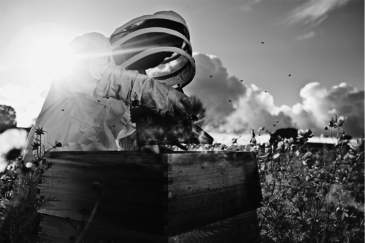
Beekeeping plays an important role in preserving pollinator populations and safeguarding biodiversity. Successful beekeepers understand how honey bees function, behave, and thrive. At its core, keeping honey bee colonies healthy and productive hinges on recognition, observation, and knowing how to respond to colony needs to support their success.
In this course, you will explore the fundamentals of honey bee biology and beekeeping, providing you with a comprehensive foundation to become comfortable and confident in managing your own hives. You will begin with the basics of how to get started in beekeeping then explore ways to support your colonies throughout the year. You’ll also discover how to identify and navigate scenarios like swarming, Varroa infestations, and queen issues.
Throughout the course, you will examine ways to apply practical knowledge and hands-on techniques used by experienced beekeepers and Cornell experts to your own colonies. Whether you are brand new to bees or have a few years of experience, this course will enable you to build a strong foundation for successful beekeeping.
This course fulfills the legal requirements of the State of New Jersey for beekeeper education per New Jersey Administrative Code Title 2, Chapter 24 §2:24-3.1(c)
Request more Info by completing the form below.
more Info
by completing the form below.Act today—courses are filling fast.
How It Works
Time Commitment
5 weeks with 6 to 8 hours of study per week
Cost
$699
Learn From Top Minds
Courses are developed by Cornell faculty.
Power Your Career
Gain today’s most in-demand skills to stand apart.
Flexibility Fits Your Life
Learn on your schedule without stepping out of your job.
Small-class Experience
Participate in facilitated discussions and live sessions with industry peers.
Real-world Projects
Apply learnings and insights to your work to make an impact right away.
Personalized Feedback
Enjoy meaningful feedback on assignments from expert facilitators.
Time Commitment
5 weeks with 6 to 8 hours of study per week
Cost
$699
Learn From Top Minds
Courses are developed by Cornell faculty.
Power Your Career
Gain today’s most in-demand skills to stand apart.
Flexibility Fits Your Life
Learn on your schedule without stepping out of your job.
Small-class Experience
Participate in facilitated discussions and live sessions with industry peers.
Real-world Projects
Apply learnings and insights to your work to make an impact right away.
Personalized Feedback
Enjoy meaningful feedback on assignments from expert facilitators.
Faculty Authors
Emma Walters
Senior Extension Associate
Cornell Dyce Lab for Honey Bee Studies
Senior Honey Bee Extension Associate @ Cornell Dyce Lab for Honey Bee Studies

Ellen Topitzhofer
Senior Honey Bee Extension Associate, 2023-2024
Cornell University
Senior Honey Bee Extension Associate, 2023-2024, Cornell University
Ellen Topitzhofer has been working with beekeepers mastering on-the-ground testing and applicable research since 2012. She has spent most of her working career in the Northwest — a place that offers paid pollination in 15 different crops and average honey yields of 25 to 45 lbs. per colony annually.
After her graduate work studying honey bee nutrition at Oregon State University, she worked with commercial beekeepers as part of the Bee Informed Partnership’s Tech Transfer Team program. She continued working with honey bees as a Research Assistant in the Honey Bee Lab at Oregon State University, with a research focus on queen supply self-sufficiency techniques, and then as Senior Extension Associate in Apiculture at Cornell University.
Since May 2024, Ellen has held the appointment of Senior Faculty Research Assistant in the Oregon State Honey Bee Lab at OSU.
Key Course Takeaways
- Recognize the colony members, stages of brood, and food in the hive
- Explore honey bee biology and behavior
- Identify your equipment needs and understand how to install your bees
- Use your hive tool and smoker, and work bees gently
- Inspect a colony
- Understand colony biology and management throughout the year
- Interpret brood patterns
- Determine how to compare your colony observations to seasonal expectations
- Identify when a colony looks healthy and when it needs additional management
- Recognize and address queen situations, Varroa mites, diseases, and surprises
- Explore how to manage colonies for honey production, harvest honey, and render beeswax
- Understand how to winter colonies to maximize survival

Download Brochure
Fill out the form below to download program information and connect
with us.
Download a Brochure
Not ready to enroll but want to learn more? Download the certificate brochure to review program details.
What You'll Earn
- Beekeeping Essentials Certificate from Cornell’s College of Agriculture and Life Sciences
- 40 Professional Development Hours (4 CEUs)
Who Should Enroll
- New beekeepers
- Current beekeepers looking to strengthen their knowledge and skills
Frequently Asked Questions
Healthy, productive hives depend on what you can observe, how you interpret what you see, and how confidently you respond. Cornell’s Beekeeping Essentials Certificate is designed to help you build that kind of practical judgment, starting with the fundamentals of honey bee biology and colony behavior and moving into season-by-season management decisions.
Across this certificate program from Cornell’s College of Agriculture and Life Sciences, you will develop a clear foundation in identifying colony members and brood stages, using core tools safely and effectively, inspecting a colony, and comparing what you observe to seasonal expectations. Along the way, you’ll also learn how to recognize and navigate common real-world situations beekeepers face, including swarming, *Varroa* challenges, and queen issues.
Just as important, the learning experience is structured to help you apply what you learn to your own hives. The Beekeeping Essentials Certificate emphasizes recognition, observation, and responsive management so you can make sound decisions that support colony health throughout the year.
If you want practical beekeeping fundamentals, season-by-season confidence in colony management, and the ability to respond effectively to common hive challenges, you should choose Cornell's Beekeeping Essentials Certificate.
Many online beekeeping offerings are built as content libraries you consume on your own, with limited feedback or accountability. Cornell’s Beekeeping Essentials Certificate uses a more human-centered learning model that is designed to help you turn knowledge into better on-the-ground decisions.
You learn in a small cohort with an expert facilitator who guides discussion, answers questions, and provides feedback on your work, so you are not left guessing when you are trying to interpret brood patterns or decide how to respond to a hive that is not meeting seasonal expectations. Live interactive sessions also offer opportunities for real-time clarification and peer learning.
The Beekeeping Essentials Certificate content itself is also purpose-built for application. The curriculum focuses on recognition and observation inside the hive, then connects those observations to practical actions across the beekeeping year, including equipment selection and installation, gentle hive handling, colony inspection, and managing common challenges such as swarming, queen issues, and *Varroa*.
This combination of Cornell faculty-designed curriculum, expert facilitation, and applied work helps you build confidence that translates from the screen to the apiary in Cornell’s Beekeeping Essentials Certificate.
Cornell’s Beekeeping Essentials Certificate is designed for people who want to build real competence in managing honey bee colonies, whether you are just starting out or you already keep bees and want a stronger foundation.
The Beekeeping Essentials Certificate is a strong fit if you:
- Are a new beekeeper who wants a clear, practical path from setting up equipment to conducting effective inspections
- Already have a season or two of experience and want to improve how you interpret brood patterns, colony health, and seasonal progress
- Want to feel more confident responding to common situations such as swarming, *Varroa* concerns, or queen issues
- Prefer learning that connects honey bee biology and behavior to what you actually see and do in the hive
Because the curriculum starts with fundamentals and builds toward decision making across the year, you can enter with curiosity and commitment, then develop the habits of observation and response that experienced beekeepers rely on in Cornell’s Beekeeping Essentials Certificate.
Applied work in Cornell’s Beekeeping Essentials Certificate is centered on using real hive observations to make better management decisions. You can expect to produce practical, beekeeper-ready outputs that mirror how you will actually work in your own apiary:
- A startup plan that identifies the equipment you need and outlines how you’ll install your bees
- A colony inspection routine you can follow in the field, including what to look for and how to record observations
- A seasonal management plan that compares your colony observations to seasonal expectations and highlights when intervention may be needed
- A brood and colony health interpretation guide you can use to make sense of brood patterns and food stores
- Response playbooks for common scenarios such as swarming risk, queen situations, and *Varroa* or disease concerns
- A honey and beeswax plan that outlines basic approaches to managing for honey production, harvesting honey, and rendering beeswax
- A wintering checklist to help maximize colony survival through colder months
These deliverables are designed to be immediately useful, so you finish Cornell’s Beekeeping Essentials Certificate with tools you can keep using at the hive.
Cornell’s Beekeeping Essentials Certificate helps you build the practical beekeeping judgment and seasonal management skills that can strengthen your credibility and effectiveness when caring for colonies.
After completing the Beekeeping Essentials Certificate, you will be prepared to:
- Recognize the colony members, stages of brood, and food in the hive
- Explore honey bee biology and behavior
- Identify your equipment needs and understand how to install your bees
- Use your hive tool and smoker, and work bees gently
- Inspect a colony
- Understand colony biology and management throughout the year
- Interpret brood patterns
- Determine how to compare your colony observations to seasonal expectations
- Identify when a colony looks healthy and when it needs additional management
- Recognize and address queen situations, Varroa mites, diseases, and surprises
- Explore how to manage colonies for honey production, harvest honey, and render beeswax
- Understand how to winter colonies to maximize survival
Cornell’s Beekeeping Essentials Certificate is built to deliver practical, season-by-season skills you can apply right away, with an emphasis on sound management decisions and healthy colonies. Typical long-term benefits learners seek from a beekeeping fundamentals program like this include stronger understanding of honey bee biology and colony roles, clearer equipment and setup decisions, more consistent inspection and recordkeeping habits, greater confidence handling bees safely, improved ability to recognize and respond to common pests and diseases (including *Varroa* management basics), and better planning for honey harvesting and responsible stewardship.
Cornell’s Beekeeping Essentials Certificate consists of 1 course. It is designed to be completed in 2 months, with a typical time commitment of 6 to 8 hours per week.
Designed for working adults, the Beekeeping Essentials Certificate follows eCornell’s flexible, structured format so you can keep momentum without needing to be online all day. In practice, you can expect:
- Asynchronous learning you can complete on your schedule, including videos, readings, and assignments
- Weekly deadlines that create accountability and make it easier to stay on track
- Facilitated discussions and guidance so you are learning independently but not in isolation
- Occasional live interactive elements that offer opportunities for real-time support and community
This structure makes it realistic to build beekeeping skills over time and apply them as your season unfolds in Cornell’s Beekeeping Essentials Certificate.
The Beekeeping Essentials Certificate is built to deliver practical, season-by-season skills that new and aspiring beekeepers can apply right away, with a strong focus on keeping healthy colonies and making sound management decisions.
Key learning outcomes from a beekeeping fundamentals program include:
- Understanding honey bee biology and colony roles (queen, workers, drones)
- Selecting and setting up hive equipment, tools, and protective gear
- Creating a seasonal management plan for inspections, feeding, and swarm prevention
- Recognizing and responding to common pests and diseases (including Varroa management basics)
- Building confidence in safe hive handling and routine inspections
- Improving recordkeeping and observation to guide practical decisions
- Supporting pollinators through forage planning and habitat considerations
- Planning for honey harvesting basics and responsible stewardship practices
Cornell’s Beekeeping Essentials Certificate fulfills the legal requirements of the State of New Jersey for beekeeper education as described in New Jersey Administrative Code Title 2, Chapter 24 §2:24-3.1(c).
If you are taking the Beekeeping Essentials Certificate program to satisfy a regulatory requirement, plan to keep documentation of your completion for your records. Regulations can change, and requirements can vary by state or locality, so it is also wise to confirm the most current rules with the relevant New Jersey authority or your local beekeeping association.
Beyond meeting the requirement, Cornell’s Beekeeping Essentials Certificate program is designed to strengthen practical competency in colony inspection, seasonal management, and responding to common challenges like swarming, *Varroa*, and queen issues, which helps you apply the education immediately in your own apiary.
A common reason colonies struggle is that problems go unnoticed until they are harder to correct. Cornell’s Beekeeping Essentials Certificate helps you build the observation skills that make it easier to spot issues early, interpret what they mean, and choose an appropriate next step.
You will learn how to recognize and address *Varroa* mites and other colony health surprises, and how to assess queen-related situations. The Beekeeping Essentials Certificate also strengthens the fundamentals that support better diagnosis, including interpreting brood patterns, conducting effective inspections, and comparing your observations to what is seasonally expected.
By linking honey bee biology and behavior to what you see inside the hive, you will be better equipped to decide when a colony looks healthy and when it needs additional management, and to respond in a way that supports colony stability over time.
Getting comfortable at the hive starts with the right setup and good handling habits. In Cornell’s Beekeeping Essentials Certificate, you will identify your equipment needs and learn how to install your bees so your colony starts strong.
You will also build practical technique around core beekeeping tools and routines, including using a hive tool and smoker and working bees gently. The program emphasizes how to inspect a colony and what to look for, so you can connect visible signs in the hive to next-step management decisions across the year.
As you progress through Cornell’s Beekeeping Essentials Certificate program, you will also explore practical management for honey production, including the basics of harvesting honey and rendering beeswax, and you’ll learn approaches to wintering colonies to maximize survival. The result is a toolkit of skills you can apply directly in your own beekeeping practice.
Explore Related Programs

“I would found an institution where any person could find instruction in any study.”
{Anytime, anywhere.}
{Anytime, anywhere.}
Ezra Cornell
Founder of Cornell UniversityExplore programs to meet your professional goals
Certificates

Earn a Cornell credential as you complete multiple courses.
- 2 to 6 months
- $2,000 to $10,000
- Online
Courses

Learn in a small cohort, with graded assignments and opportunities for live sessions.
- 2 to 4 weeks
- $299 to $1,199
- Online
Workshops

Develop AI skills and strategies in interactive sessions with Cornell faculty.
- 3 hours
- $449
- Online
Degrees

Earn a professional master’s degree from Cornell University.
- 15 to 24 months part-time
- Tuition varies
- In person or online
On Campus
Join us in Ithaca or NYC to engage with peers and experts from around the world.
- 2 to 5 days
- $3,000 to $10,000
- In person - Ithaca or NYC
Programs for Teams

Address strategic challenges with Cornell University faculty to develop the skills required for organizational success.
- Custom Enterprise Programs
- Price varies
- In person or hybrid
Request Information Now by completing the form below.
Act today—courses are filling fast.
Purchase Options
699

$699
Beekeeping Essentials
| Select Payment Method | Cost |
|---|---|
| $699 |
Review Program Pricing and Details