
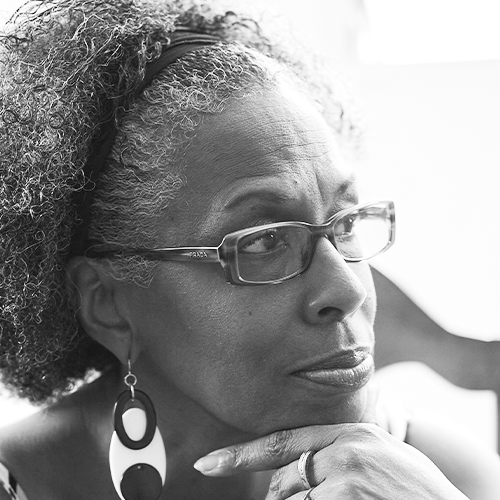
Maryemma Graham is University Distinguished Professor in the Department of English at the University of Kansas as well as the 2021 recipient of an American Book Award for lifetime achievement. In her 40-year career, Dr. Graham has written and published 12 books on teaching, Black literature, and literary history, most notably “The Cambridge History of African American Literature” with Jerry W. Ward, Jr. In 1983, she founded and transformed the Project on the History of Black Writing into a leading center for literary recovery and engaged scholarship, and she raised millions of dollars to support research, professional development programs, and interinstitutional networks that are national and global in scope. Dr. Graham’s latest book, “The House Where My Soul Lives: The Life of Margaret Walker,” is the first complete biography of the poet and novelist and will be released by Oxford University Press in spring 2022.
Almost done! Check your email to get your password.
A Dante Afterlife
LeRoi Jones’s “System of Dante’s Hell” and Derek Walcott’s “Omeros”
Saturday, October 16, 2021, 3:15pm
EDT
Event Overview
Writers who read, interpret, and respond to Dante Alighieri’s works often seek to benefit from their association with his ideas on radical reform as well as his role in setting a precedent for modernist literary techniques and values. Yet not all writers’ voices are heard in such dialogues; in particular, these responses tend to overlook the unique ways in which Black writers reflect on Dante.
Join Maryemma Graham, Distinguished Professor of Black Literature and Literary History, as she explores the influence of Dante’s “Divine Comedy” on Black literature through two different works from writers of the Black diaspora. These classics — “System of Dante’s Hell” (1965) by LeRoi Jones (later known as Amiri Baraka) and “Omeros” (1990) by Derek Walcott — are often seen as examples of a “vernacular counterpoint” to Dante’s use of classical traditions. Dr. Graham suggests a more expansive view by examining the relationship between Dante and these works in terms of continuity or intertextuality then expanding it by considering juxtaposition, reinvention, and innovation. Finally, Dr. Graham will delve into the narrative traditions that define Black writing in the second half of the 20th century, confronting the very idea of “vernacular counterpoint.”
This is the fourth and final talk in Cornell’s “Visions of Dante” Study Day, a day-long special event held in conjunction with the Johnson Museum of Art’s “Visions of Dante” exhibition, timed to mark the 700th anniversary of Dante’s death.
Agenda
9:30-10:30 AM ET: Visualizing Dante in the 16th Century: An Amateur’s Art (Rhoda Eitel-Porter)
10:45-11:45 AM ET: From Etruria to the New World: Cornell’s Copy of the Editio Princeps of Dante’s “Divine Comedy,” Between Book History, Bibliophilia, and Exegesis (Natale Vacalebre)
1:00-1:45 PM ET: Exhibition Tour (curators Laurent Ferri and Andrew Weislogel)
2:00-3:00 PM ET: Meeting Dante (artist Sandow Birk)
3:15-4:15 PM ET: A Dante Afterlife: LeRoi Jones’s “System of Dante’s Hell” and Derek Walcott’s “Omeros” (Maryemma Graham)
Join Maryemma Graham, Distinguished Professor of Black Literature and Literary History, as she explores the influence of Dante’s “Divine Comedy” on Black literature through two different works from writers of the Black diaspora. These classics — “System of Dante’s Hell” (1965) by LeRoi Jones (later known as Amiri Baraka) and “Omeros” (1990) by Derek Walcott — are often seen as examples of a “vernacular counterpoint” to Dante’s use of classical traditions. Dr. Graham suggests a more expansive view by examining the relationship between Dante and these works in terms of continuity or intertextuality then expanding it by considering juxtaposition, reinvention, and innovation. Finally, Dr. Graham will delve into the narrative traditions that define Black writing in the second half of the 20th century, confronting the very idea of “vernacular counterpoint.”
This is the fourth and final talk in Cornell’s “Visions of Dante” Study Day, a day-long special event held in conjunction with the Johnson Museum of Art’s “Visions of Dante” exhibition, timed to mark the 700th anniversary of Dante’s death.
Agenda
9:30-10:30 AM ET: Visualizing Dante in the 16th Century: An Amateur’s Art (Rhoda Eitel-Porter)
10:45-11:45 AM ET: From Etruria to the New World: Cornell’s Copy of the Editio Princeps of Dante’s “Divine Comedy,” Between Book History, Bibliophilia, and Exegesis (Natale Vacalebre)
1:00-1:45 PM ET: Exhibition Tour (curators Laurent Ferri and Andrew Weislogel)
2:00-3:00 PM ET: Meeting Dante (artist Sandow Birk)
3:15-4:15 PM ET: A Dante Afterlife: LeRoi Jones’s “System of Dante’s Hell” and Derek Walcott’s “Omeros” (Maryemma Graham)
What You'll Learn
- The different reasons why writers read and adapt ideas from a famous text
- Definitions and ideas of what constitutes “vernacular literature”
- Modes of Black literary expression in the mid to late 20th century
- How comparing and contrasting different writers can help us learn more about both
Speaker
Maryemma Graham
Professor and Author
Department of English, University of Kansas
University Distinguished Professor, Department of English, University of Kansas
View Keynote by completing the form below.
Gain access to this free event
Thanks,
You're Registered!
Join or sign in to tailor your experience and earn CEUs from Cornell.
Create Account