
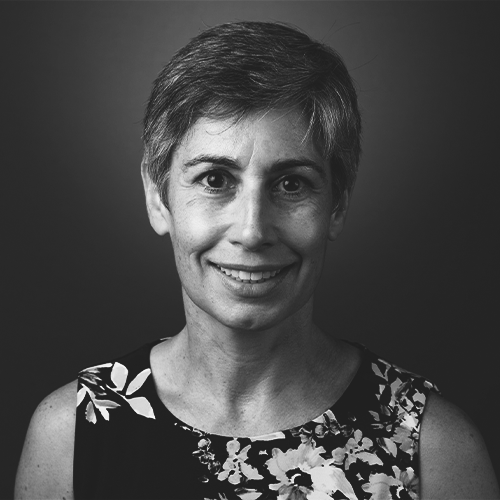
Gilly Leshed is a senior lecturer in the Department of Information Science at Cornell. Her teaching and research interests are in Human-Computer Interaction (HCI) and Computer-Supported Cooperative Work (CSCW), in which she uses quantitative and qualitative methods and technology design to examine how individuals and groups accomplish tasks and socialize and the roles information technology plays in these interactions. She is particularly interested in designing interactive technologies that empower marginalized populations. Some of her works include visually-impaired users of social media, smallholder coffee farmers in Latin America, and Amazon Mechanical Turk workers. She is the Director of the Master of Professional Studies in Information Science, and is the faculty supervisor of the Design & Tech Initiative Project Team.
Xenophobia Meter Project
Event Overview
XMP has two primary goals. The first is to inform academia, nongovernmental organizations, and the public on levels and changes in xenophobic social media speech by creating a free-to-use website with a user-friendly UI/UX, an alert notification system, tailored sources, reports, and shareable data in multiple language contexts. Second, it aims to shame governments that ignore and engage in xenophobic speech.
XMP is a modest response to the rapidly growing problem of anti-immigrant hate speech on the internet and governments’ repeated refusal to govern it effectively. XMP believes that identifying, labeling, and shaming xenophobic speech in a public and easily accessible format will increase public understanding of the problem and show allyship to immigrant communities who endure xenophobic hate.
Co-principal investigators on the XMP include Beth Lyon from Cornell Law and Gilly Leshed from the Cornell Bowers College of Computing and Information Science. Additional collaborators include Marten van Schijndel from the Cornell College of Arts and Sciences, Bao Kham Chau from the University of Virginia School of Law, Matthew Groh from MIT Media Lab, and Joshua Joseph from MIT Quest for Intelligence. Pranoto Iskandar from the Institute for Migrant Rights and Lily Pagan from Google served as consultants on the project.
This event is part of our Migrations series, sponsored by Cornell’s Migrations initiative.
RESOURCES / NEXT STEPS
Cornell Migrations
Mellon Just Futures
Data Driven: New Research Puts Spotlight on Migrants’ Rights
What You'll Learn
- The relationship between social media and xenophobic public sentiment
- The methods that enable scholars to analyze the prevalence of xenophobic discourse on social media
- How the Xenophobia Meter Project aims to address policymakers who ignore or participate in hate speech against immigrants
- What scholars can do to monitor and challenge these trends, and how the public can participate
Speakers
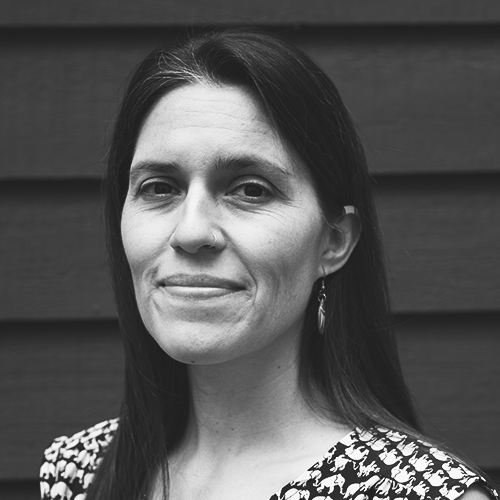
Shannon Gleeson is the Edmund Ezra Day Professor at the Cornell University School of Industrial and Labor Relations and the chairperson of ILR’s Department of Global Labor and Work. She also serves as a teaching faculty member in Latina/o Studies and American Studies programs in Cornell’s College of Arts and Sciences and is a professor in the Jeb E. Brooks School of Public Policy.
A sociologist who studies migrant worker rights and immigration policy, Professor Gleeson is engaged in various collaborative projects that examine immigrant workers. She is particularly interested in how worker rights policies are implemented on the ground as well as how workers, unions, worker centers and other NGOs navigate the policies that impact precarious workers, especially the 8 million U.S. workers who are undocumented.
Professor Gleeson has co-authored five books and monographs, including the book “Scaling Migrant Worker Rights: How Advocates Collaborate and Contest State Power,” which won the 2024 Best Book Award by the American Political Science Association Latino Caucus.
Professor Gleeson earned a Ph.D. in Sociology and Demography from the University of California, Berkeley.

Wendy Wolford is Vice Provost for International Affairs and the Robert A. and Ruth E. Polson Professor of Global Development in the College of Agriculture and Life Sciences. As vice provost, Professor Wolford supports Cornell’s international community and leads efforts to strengthen the university’s global connections and interdisciplinary initiatives.
Under Professor Wolford’s leadership, Cornell has created Global Hubs partnerships, Global Grand Challenges, and increased support for Scholars Under Threat. Her research spans land governance, social movements, agrarian studies, and political ecology, with long-term work in Brazil, Ecuador, and Mozambique.
Gilly Leshed is a senior lecturer in the Department of Information Science at Cornell. Her teaching and research interests are in Human-Computer Interaction (HCI) and Computer-Supported Cooperative Work (CSCW), in which she uses quantitative and qualitative methods and technology design to examine how individuals and groups accomplish tasks and socialize and the roles information technology plays in these interactions. She is particularly interested in designing interactive technologies that empower marginalized populations. Some of her works include visually-impaired users of social media, smallholder coffee farmers in Latin America, and Amazon Mechanical Turk workers. She is the Director of the Master of Professional Studies in Information Science, and is the faculty supervisor of the Design & Tech Initiative Project Team.
Shannon Gleeson is the Edmund Ezra Day Professor at the Cornell University School of Industrial and Labor Relations and the chairperson of ILR’s Department of Global Labor and Work. She also serves as a teaching faculty member in Latina/o Studies and American Studies programs in Cornell’s College of Arts and Sciences and is a professor in the Jeb E. Brooks School of Public Policy.
A sociologist who studies migrant worker rights and immigration policy, Professor Gleeson is engaged in various collaborative projects that examine immigrant workers. She is particularly interested in how worker rights policies are implemented on the ground as well as how workers, unions, worker centers and other NGOs navigate the policies that impact precarious workers, especially the 8 million U.S. workers who are undocumented.
Professor Gleeson has co-authored five books and monographs, including the book “Scaling Migrant Worker Rights: How Advocates Collaborate and Contest State Power,” which won the 2024 Best Book Award by the American Political Science Association Latino Caucus.
Professor Gleeson earned a Ph.D. in Sociology and Demography from the University of California, Berkeley.
Wendy Wolford is Vice Provost for International Affairs and the Robert A. and Ruth E. Polson Professor of Global Development in the College of Agriculture and Life Sciences. As vice provost, Professor Wolford supports Cornell’s international community and leads efforts to strengthen the university’s global connections and interdisciplinary initiatives.
Under Professor Wolford’s leadership, Cornell has created Global Hubs partnerships, Global Grand Challenges, and increased support for Scholars Under Threat. Her research spans land governance, social movements, agrarian studies, and political ecology, with long-term work in Brazil, Ecuador, and Mozambique.