

Ian Matthew Kysel is a Visiting Assistant Clinical Professor of Law at Cornell Law School. He founded and directs the Transnational Disputes Clinic and co-directs the Asylum and Convention Against Torture Appellate Clinic. Professor Kysel also is a founder and director of the International Migrants Bill of Rights (IMBR) Initiative and core faculty member in the Migration and Human Rights Program. He currently holds an appointment as a non-resident fellow at The Zolberg Institute on Migration and Mobility at The New School. Before joining Cornell, Professor Kysel was an attorney at the American Civil Liberties Union (ACLU) of Southern California and a fellow at the National ACLU and Human Rights Watch, and he practiced in Shearman & Sterling’s International Arbitration Group as well as its Public International Law practice. Professor Kysel received his Bachelor’s degree from Swarthmore College and his Juris Doctor degree from Georgetown University Law Center.
Data Driven
Event Overview
In this webcast, Cornell experts will examine how migrant stereotypes, discrimination, and xenophobia drive the militarization of borders and the ways in which migrant rights are — or are not — allowed and respected. Using insights from the first global Migrants’ Rights Database, the panel will explore how effectively states are protecting migrants' rights and complying with international law. They’ll also discuss how new research using these data offer crucial public policy evidence for developing an international law to protect all migrants.
This event is part of our Migrations series, sponsored by Cornell’s Migrations initiative.
What You'll Learn
- How the implementation of international agreements on migration and human rights differs among countries
- The kinds of data that scholars and practitioners use to address these differences
- How new research is contributing to the development of an international law to protect all migrants
Speakers
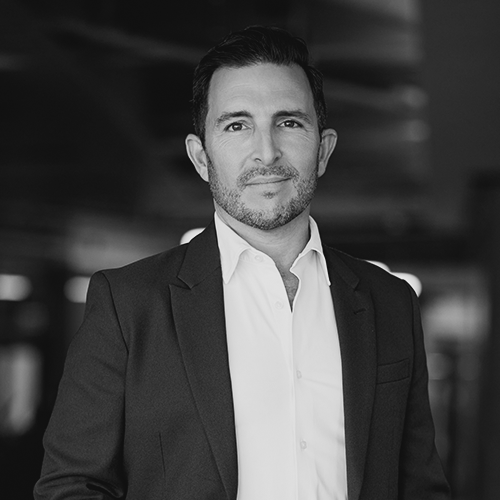
Justin Gest is the award-winning author of seven books on immigration, democracy, and demographic change, including “Democratic Drain: Global Migration and the Struggle for Democracy” (Cambridge University Press, 2026). He has published a wide variety of peer-reviewed articles on immigration and the politics of demographic change, and he is a founding editor of the Oxford University Press book series, “Oxford Studies in Migration and Citizenship.”
Over the last two decades, Professor Gest has published his reporting or commentary with news publications including The New York Times, The Wall Street Journal, The Washington Post, and The Atlantic, and he served as a columnist for CNN Opinion and Newsweek. From 2010 to 2014, Professor Gest was a postdoctoral fellow and lecturer in Harvard University’s Departments of Government and Sociology.
In 2014 and 2020, Professor Gest received Harvard University’s Joseph R. Levenson Memorial Teaching Prize and George Mason University’s Teaching Excellence Award, respectively each university’s highest award for faculty teaching. In 2013, he received the Star Family Prize for Student Advising, Harvard’s highest award for student advising. From 2007 to 2010, Professor Gest co-founded and served as the co-director of the Migration Studies Unit at the London School of Economics and Political Science (LSE).
Professor Gest is a product of Los Angeles Unified School District’s University High School in Los Angeles, CA, where he grew up. He later earned his Bachelor’s degree in Government at Harvard University and his Ph.D. in Government from the LSE.

Stephen Yale-Loehr is Professor of Immigration Practice at Cornell Law School and of counsel at Miller Mayer in Ithaca, New York. He also directs the Immigration Law and Policy Center at Cornell Law and is a faculty fellow for the Cornell Migrations initiative as well as a non-resident fellow at the Migration Policy Institute. Professor Yale-Loehr has practiced immigration law for over 35 years and is co-author of the leading immigration law treatise “Immigration Law and Procedure,” published by LexisNexis, as well as the co-author or editor of many other books. He is a national expert on immigration law and has often testified before Congress. Professor Yale-Loehr received his Bachelor’s degree from Cornell University and his Juris Doctor degree from Cornell Law School.
Ian Matthew Kysel is a Visiting Assistant Clinical Professor of Law at Cornell Law School. He founded and directs the Transnational Disputes Clinic and co-directs the Asylum and Convention Against Torture Appellate Clinic. Professor Kysel also is a founder and director of the International Migrants Bill of Rights (IMBR) Initiative and core faculty member in the Migration and Human Rights Program. He currently holds an appointment as a non-resident fellow at The Zolberg Institute on Migration and Mobility at The New School. Before joining Cornell, Professor Kysel was an attorney at the American Civil Liberties Union (ACLU) of Southern California and a fellow at the National ACLU and Human Rights Watch, and he practiced in Shearman & Sterling’s International Arbitration Group as well as its Public International Law practice. Professor Kysel received his Bachelor’s degree from Swarthmore College and his Juris Doctor degree from Georgetown University Law Center.
Justin Gest is the award-winning author of seven books on immigration, democracy, and demographic change, including “Democratic Drain: Global Migration and the Struggle for Democracy” (Cambridge University Press, 2026). He has published a wide variety of peer-reviewed articles on immigration and the politics of demographic change, and he is a founding editor of the Oxford University Press book series, “Oxford Studies in Migration and Citizenship.”
Over the last two decades, Professor Gest has published his reporting or commentary with news publications including The New York Times, The Wall Street Journal, The Washington Post, and The Atlantic, and he served as a columnist for CNN Opinion and Newsweek. From 2010 to 2014, Professor Gest was a postdoctoral fellow and lecturer in Harvard University’s Departments of Government and Sociology.
In 2014 and 2020, Professor Gest received Harvard University’s Joseph R. Levenson Memorial Teaching Prize and George Mason University’s Teaching Excellence Award, respectively each university’s highest award for faculty teaching. In 2013, he received the Star Family Prize for Student Advising, Harvard’s highest award for student advising. From 2007 to 2010, Professor Gest co-founded and served as the co-director of the Migration Studies Unit at the London School of Economics and Political Science (LSE).
Professor Gest is a product of Los Angeles Unified School District’s University High School in Los Angeles, CA, where he grew up. He later earned his Bachelor’s degree in Government at Harvard University and his Ph.D. in Government from the LSE.
Stephen Yale-Loehr is Professor of Immigration Practice at Cornell Law School and of counsel at Miller Mayer in Ithaca, New York. He also directs the Immigration Law and Policy Center at Cornell Law and is a faculty fellow for the Cornell Migrations initiative as well as a non-resident fellow at the Migration Policy Institute. Professor Yale-Loehr has practiced immigration law for over 35 years and is co-author of the leading immigration law treatise “Immigration Law and Procedure,” published by LexisNexis, as well as the co-author or editor of many other books. He is a national expert on immigration law and has often testified before Congress. Professor Yale-Loehr received his Bachelor’s degree from Cornell University and his Juris Doctor degree from Cornell Law School.