
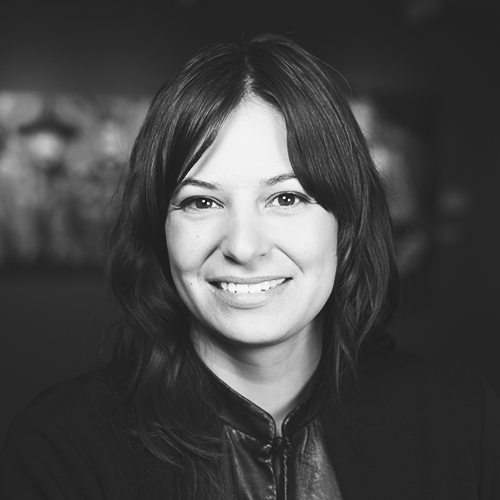
Candice Hopkins is a curator and writer, a citizen of Carcross/Tagish First Nation, and Senior Curator of the 2019 and 2021 editions of the Toronto Biennial of Art. Hopkins was co-curator of major exhibitions including the Canadian Pavilion for the 58th Venice Biennial featuring the media art collective Isuma; the 2018 SITE Santa Fe Biennial, Casa Tomada; documenta 14 in Athens, Greece and Kassel, Germany; Sakahàn: International Indigenous Art; and Close Encounters: The Next 500 Years. Her writing is published widely; her recent essays and presentations include “The Appropriation Debates (or The Gallows of History)” for MIT Press.
Almost done! Check your email to get your password.
Event Overview
What is the sound of detention? What is the sound of resistance? There is a long history of artistic curation and sonic intervention contributing to civic engagement and social justice. A musical score can be both a call to action and a tool for decolonization.
Sound can also be used to quell uprisings, as we witnessed when long-range acoustic devices (LRADs) were deployed by the police at Standing Rock. But what happens when those same sounds are wielded as a form of protest, echoing with the songs of refugees and migrants? How can we listen to Indigenous histories? How can we listen to the soundscape of nearly a billion people on the move and in search of refuge, navigating a world of forced removals, expulsions, and detentions?
This webinar will bring together composers, performers, authors, and cultural historians to explore these questions and more as we look at a range of media and global artistic practices that have captured and repurposed the sounds of protest, resistance, and empowerment.
Sound can also be used to quell uprisings, as we witnessed when long-range acoustic devices (LRADs) were deployed by the police at Standing Rock. But what happens when those same sounds are wielded as a form of protest, echoing with the songs of refugees and migrants? How can we listen to Indigenous histories? How can we listen to the soundscape of nearly a billion people on the move and in search of refuge, navigating a world of forced removals, expulsions, and detentions?
This webinar will bring together composers, performers, authors, and cultural historians to explore these questions and more as we look at a range of media and global artistic practices that have captured and repurposed the sounds of protest, resistance, and empowerment.
What You'll Learn
- How curators, composers, and historians document, contextualize, and amplify the sounds of protest
- How musical scores replicate or analyze sites of conflict, protest, or direct action
- How gallery spaces construct a community of artworks, both local and global, that become an experience of civic engagement
- How local music histories can tell the story of changing neighborhoods, bearing sonic witness to the challenges of gentrification and eviction
- How musicians have created soundtracks for labor and immigration movements, making music that resonates at immigration marches and in front of detention centers
Speakers
Curator
Cultural Historian
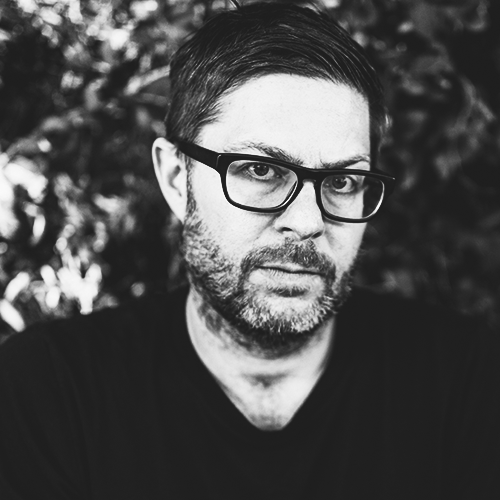
Josh Kun is an author, a curator, and a cultural historian. He is a Professor of Communication and Journalism at the USC Annenberg School, where he holds the Chair in Cross-Cultural Communication and directs The Popular Music Project of the Norman Lear Center. He is an artist for P.5 Prospect New Orleans (2021) and his next book, on music and migration in the 21st century, will be published by MCD x FSG.
Composer
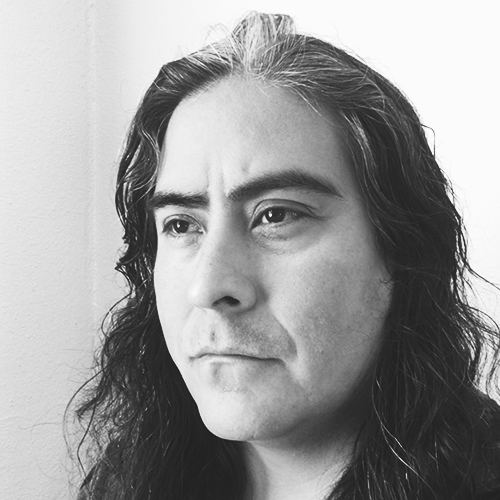
Raven Chacon is a composer, a performer, and an installation artist from Fort Defiance, Navajo Nation. As a solo artist, collaborator, or with Postcommodity, Chacon has exhibited or performed at Whitney Biennial, documenta 14, REDCAT, Musée d’art Contemporain de Montréal, San Francisco Electronic Music Festival, Chaco Canyon, Ende Tymes Festival, and the 18th Biennale of Sydney.
Curator
Candice Hopkins is a curator and writer, a citizen of Carcross/Tagish First Nation, and Senior Curator of the 2019 and 2021 editions of the Toronto Biennial of Art. Hopkins was co-curator of major exhibitions including the Canadian Pavilion for the 58th Venice Biennial featuring the media art collective Isuma; the 2018 SITE Santa Fe Biennial, Casa Tomada; documenta 14 in Athens, Greece and Kassel, Germany; Sakahàn: International Indigenous Art; and Close Encounters: The Next 500 Years. Her writing is published widely; her recent essays and presentations include “The Appropriation Debates (or The Gallows of History)” for MIT Press.
Cultural Historian
Josh Kun is an author, a curator, and a cultural historian. He is a Professor of Communication and Journalism at the USC Annenberg School, where he holds the Chair in Cross-Cultural Communication and directs The Popular Music Project of the Norman Lear Center. He is an artist for P.5 Prospect New Orleans (2021) and his next book, on music and migration in the 21st century, will be published by MCD x FSG.
Composer
Raven Chacon is a composer, a performer, and an installation artist from Fort Defiance, Navajo Nation. As a solo artist, collaborator, or with Postcommodity, Chacon has exhibited or performed at Whitney Biennial, documenta 14, REDCAT, Musée d’art Contemporain de Montréal, San Francisco Electronic Music Festival, Chaco Canyon, Ende Tymes Festival, and the 18th Biennale of Sydney.
- View slide #1
- View slide #2
- View slide #3
View Keynote by completing the form below.
Gain access to this free event
Thanks,
You're Registered!
You're Registered!
Join or sign in to tailor your experience and earn CEUs from Cornell.
Create Account