
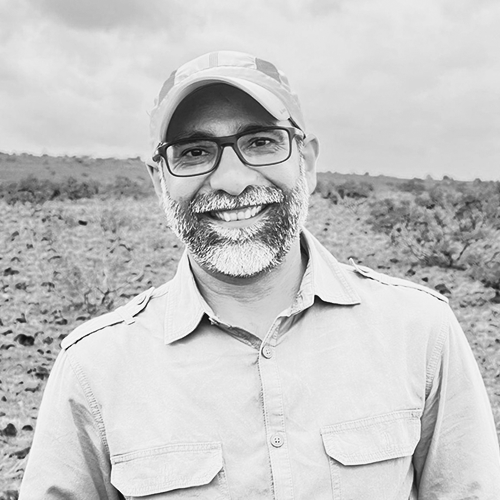
Dr. Abi T. Vanak is the Director of the Centre for Policy Design and Senior Fellow (Professor) at ATREE. He is also an Honorary Professor at the University of KwaZulu-Natal Durban, South Africa. An ecologist by training, Dr. Vanak combines his interests across the fields of animal movement ecology, restoration ecology, savannah dynamics, and disease ecology to better understand the outcomes of interactions among humans, domestic animals, and wildlife in rapidly changing landscapes. In his current role, Dr. Vanak leads programs to restore degraded landscapes with benefits for carbon sequestration, biodiversity conservation, and the improvement of rural livelihoods.
Almost done! Check your email to get your password.
How to Prevent the Next Pandemic
Nature-Based Solutions and Policy Opportunities
Monday, June 26, 2023, 11am
EDT
Event Overview
Reducing the risk of future pandemics requires investment in prevention, preparedness, and response. Yet primary pandemic prevention (i.e., preventing zoonotic spillover) has been largely absent in global conversations, policy guidance, and practice in part because there is a lack of a clear definition of prevention and a lack of clear guidance on how to accomplish this. Ecological countermeasures — actions that protect and restore wildlife habitat or mitigate wildlife-human interactions — provide many benefits, including preventing pandemics at the source. Such action is critical and, we believe, our best path forward because as the effects of anthropogenic change increase, the risk of pandemics will, too.
Moderated by award-winning science writer David Quammen, with an opening statement by Dr. Maria Van Kerkhove (WHO) and hosted by Dr. Raina Plowright (Cornell), this panel-style webinar with ten global and cross-disciplinary experts, offers a summary of the key strategies for pandemic prevention including the fundamental drivers of pandemics, the strategies we can take to prevent them, and the current policy opportunities for primary pandemic prevention.
*David Quammen photo credit: Louise Johns
Moderated by award-winning science writer David Quammen, with an opening statement by Dr. Maria Van Kerkhove (WHO) and hosted by Dr. Raina Plowright (Cornell), this panel-style webinar with ten global and cross-disciplinary experts, offers a summary of the key strategies for pandemic prevention including the fundamental drivers of pandemics, the strategies we can take to prevent them, and the current policy opportunities for primary pandemic prevention.
*David Quammen photo credit: Louise Johns
What You'll Learn
- How pandemics start and how human activity and environmental change increase the risk of virus spillover from animals to humans
- How we can stop spillover events by addressing the fundamental drivers of spillover through ecological countermeasures
- How key strategic ecological countermeasures (outside of the current general guidance to “prevent deforestation”) can be deployed along with medical countermeasures (e.g., vaccines) as a pandemic prevention strategy
- How pandemic solutions intersect climate change and biodiversity loss solutions
- Effective and clear recommendations for policy makers to integrate pandemic prevention alongside global preparedness efforts
Speakers
Director, Centre for Policy Design

Aliyu Nuhu Ahmed
Doctoral candidate
London School of Hygiene and Tropical Medicine
Doctoral candidate, London School of Hygiene and Tropical Medicine
Aliyu Ahmed is a Ph.D. student at the London School of Hygiene and Tropical Medicine with a background in Veterinary Medicine and a specialty in One Health. His research is based at the Medical Research Council Unit in Gambia, where he works with the nutrition and planetary health theme on understanding the transmission dynamics of zoonotic disease and the risk to human health in rural communities. Mr. Ahmed is passionate about one health and planetary health, and he advocates for sustainability.
Benjamin Roche
Research Director
French Research Institute for Sustainable Development
Research Director, French Research Institute for Sustainable Development
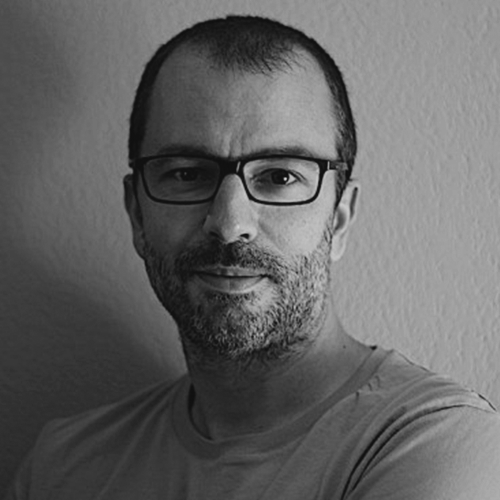
Benjamin Roche is a research director, a specialist in the interaction between biodiversity and infectious diseases, and a scientific advisor to the CEO of the French Research Institute for Sustainable Development. He is also involved in the construction and implementation of the PREZODE (Preventing Zoonotic Disease Emergence) initiative. Dr. Roche’s research focuses on understanding what key interdisciplinary insights can be gleaned from bringing together the fields of evolutionary ecology and public health, especially through data analysis, mathematical modeling, and phylodynamic approach.
In addition to his research activities, Dr. Roche collaborates with numerous national and international health authorities to oversee the development of decision support tools (e.g., advising two governments during the COVID-19 crisis for public health policy support) and to develop and implement prevention programs against new pandemics at an international level, such as the PREZODE initiative.
Science writer
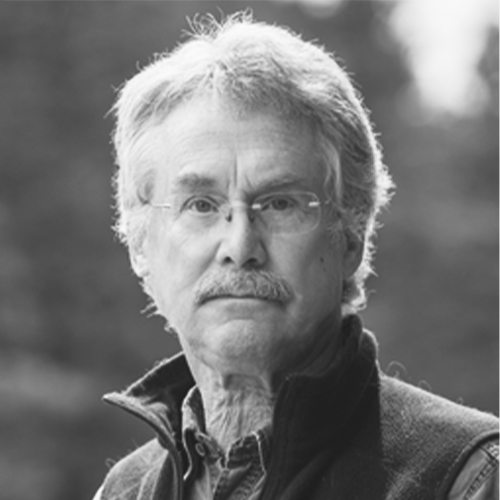
David Quammen’s books include “Breathless,” “The Tangled Tree,” “The Song of the Dodo,” “The Reluctant Mr. Darwin,” and “Spillover,” a finalist for the National Book Critics Circle Award and recipient of the Premio Letterario Merck in Rome. He has written for The New Yorker, Harper’s Magazine, The Atlantic, National Geographic, and Outside, among other magazines, and is a three-time winner of the National Magazine Award. Mr. Quammen shares a home in Bozeman, Montana, with his wife, Betsy Gaines Quammen, author of “American Zion,” and with two Russian wolfhounds, a cross-eyed cat, and a rescue python. Visit him at DavidQuammen.com.
Professor of Biology, Bucknell University
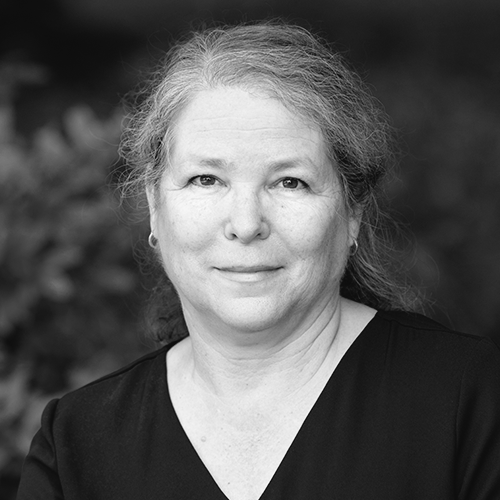
Dr. DeeAnn Reeder is a bat biologist who studies disease ecology, behavior, physiology, and conservation. Her current efforts focus on the relationships between bat health, ecosystem health, and human disease risk in the epauletted fruit bats of Central and East Africa. Dr. Reeder has also contributed significantly to our understanding of the ecological physiology of the deadly wildlife disease White-Nose Syndrome (WNS) in North American bats.
Dr. Reeder holds a research position at the National Museum of Natural History, Smithsonian Institution, Washington D.C. In addition to her bat research, she is recognized internationally for her studies of mammal biodiversity, especially in South Sudan. Dr. Reeder’s work has been funded by the National Institutes of Health, the National Science Foundation, National Geographic, and the U.S. Fish & Wildlife Service.
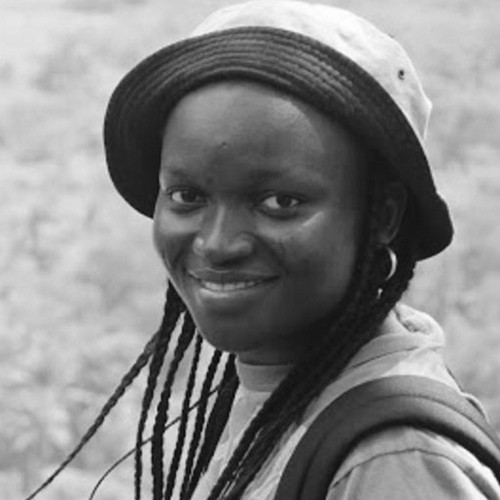
Iroro Tanshi
Co-founder
Small Mammal Conservation Organization, Nigeria
Co-founder, Small Mammal Conservation Organization, Nigeria
Dr. Iroro Tanshi is a Nigerian bat specialist who protects the largest in-country colony of the short-tailed roundleaf bat from a government-proposed roost tree destruction. She is a co-founder of the Small Mammal Conservation Organization (SMACON), a Nigerian NGO, where she is Director of Research Programs and a mentor to students and peers in species conservation. In 2020, Dr. Tanshi won a Future for Nature award from the Future for Nature Foundation in recognition of her pioneering work discovering bat species.
Dr. Tanshi is on a mission to protect the last known stable roost in Nigeria, which is under threat of fruit bat hunting and wildfires. Her ‘’Zero Wildfire Campaign’’ engages local people and is yielding results to help bring back this species from the brink of extinction. In parallel with her work at SMACON, Dr. Tanshi works as a lecturer at the University of Benin. She received her Ph.D. from Texas Tech University.

Maria Van Kerkhove
COVID-19 Technical Lead, Emerging Diseases and Zoonoses Lead
World Health Organization (WHO)
COVID-19 Technical Lead, Emerging Diseases and Zoonoses Lead, Department of Prevention and Preparedness of Epidemics and Pandemics, World Health Organization
Dr. Maria Van Kerkhove is the COVID-19 Technical Lead for the World Health Organization and the Head of Emerging Diseases and Zoonoses in WHO’s Health Emergencies Program. She is an infectious disease epidemiologist. Dr. Van Kerkhove’s research spans zoonotic emerging and re-emerging high-threat pathogens such as avian influenza, MERS-CoV, SARS, SARS-CoV-2, Ebola, Marburg, plague and Zika. She is responsible for the health operations and technical aspects of the global COVID-19 pandemic response as well as developing strategies for the prevention, preparedness and control of epidemic and pandemic zoonotic pathogens.
For more than 25 years, Dr. Van Kerkhove’s research has focused on factors associated with transmission between animals and humans, the epidemiology of zoonotic pathogens, and ensuring that research directly informs public health policies for action. Prior to joining WHO in 2017, she was the head of the Outbreak Investigation Task Force at Institut Pasteur’s Center for Global Health in Paris, where she was responsible for establishing public health rapid response teams for infectious disease outbreaks. Her previous roles include senior fellow at Imperial College London in the MRC Center for Outbreak Analysis and Modelling and an epidemiologist at the Institut Pasteur in Cambodia. Dr. Van Kerkhove completed her undergraduate degree at Cornell University, a Master’s degree in epidemiology at Stanford University, and a Ph.D. in infectious disease epidemiology at the London School of Hygiene and Tropical Medicine.

Neil Vora, M.D.
Pandemic Prevention Fellow
Conservation International
Pandemic Prevention Fellow, Conservation International
Dr. Neil Vora is a physician with Conservation International, where he leads its efforts on pandemic prevention. He served for nearly a decade with the U.S. Centers for Disease Control and Prevention (CDC). In 2013, Dr. Vora led an investigation in the country of Georgia of a newly discovered poxvirus related to the viruses that cause monkeypox and smallpox. He deployed for the CDC to Liberia in 2014 and to the Democratic Republic of the Congo in 2019 to assist in the responses to the two largest Ebola outbreaks ever. From 2020 to 2021, Dr. Vora developed and led New York City’s COVID-19 contact tracing program, overseeing a team of over 3,000 people. He still sees patients in a public tuberculosis clinic in New York City. Outside of work, Dr. Vora loves to spend time with his rescue pets and to train in Brazilian jiu jitsu.

Raina Plowright, Ph.D.
Professor
Cornell University College of Veterinary Medicine
Professor of Disease Ecology and Cornell Atkinson Scholar, Department of Public and Ecosystem Health, Cornell University College of Veterinary Medicine
Dr. Raina Plowright is a professor and Atkinson Scholar at Cornell University. She leads transdisciplinary teams to develop the science of pandemic prevention, with a focus on WHO-priority pathogens in bats. Dr. Plowright’s research focuses on understanding how bat viruses are transmitted between species, how land-use change influences pathogen dynamics and spillover, and how to prevent spillover through the protection of ecosystem health. She was recently elected as a Fellow of the American Association for the Advancement of Science for her contributions to emerging infectious disease biology. Dr. Plowright has been an Australian-American Fulbright Fellow, an Australian Centenary Scholar, a DARPA Young Faculty Awardee, and a David H. Smith Fellow in Conservation Research.
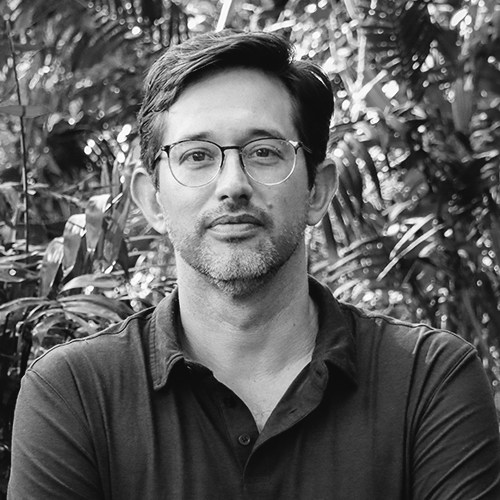
Teague O’Mara
Director of Conservation Evidence
Bat Conservation International
Director of Conservation Evidence, Bat Conservation International
Dr. Teague O’Mara serves as the Director of Conservation Evidence at Bat Conservation International (BCI). He leads efforts across BCI to conceptualize, execute, and interpret conservation actions, and provide evidence-based results for the conservation of global bat populations. Dr. O’Mara has more than 15 years of experience studying animal behavior, movement, physiology, and conservation across the globe. He has published more than 30 scientific research papers and is a recognized global expert on bat movement and behavior. Prior to joining BCI, his research focused on the behavioral and physiological strategies that bats use to counter unpredictable environments. Dr. O’Mara is an Assistant Adjunct Professor of Biology at Southeastern Louisiana University as well as a Research Associate at the Max Planck Institute of Animal Behavior and the Smithsonian Tropical Research Institute.
Director, Centre for Policy Design
Dr. Abi T. Vanak is the Director of the Centre for Policy Design and Senior Fellow (Professor) at ATREE. He is also an Honorary Professor at the University of KwaZulu-Natal Durban, South Africa. An ecologist by training, Dr. Vanak combines his interests across the fields of animal movement ecology, restoration ecology, savannah dynamics, and disease ecology to better understand the outcomes of interactions among humans, domestic animals, and wildlife in rapidly changing landscapes. In his current role, Dr. Vanak leads programs to restore degraded landscapes with benefits for carbon sequestration, biodiversity conservation, and the improvement of rural livelihoods.
Aliyu Nuhu Ahmed
Doctoral candidate
London School of Hygiene and Tropical Medicine
Doctoral candidate, London School of Hygiene and Tropical Medicine
Aliyu Ahmed is a Ph.D. student at the London School of Hygiene and Tropical Medicine with a background in Veterinary Medicine and a specialty in One Health. His research is based at the Medical Research Council Unit in Gambia, where he works with the nutrition and planetary health theme on understanding the transmission dynamics of zoonotic disease and the risk to human health in rural communities. Mr. Ahmed is passionate about one health and planetary health, and he advocates for sustainability.
Benjamin Roche
Research Director
French Research Institute for Sustainable Development
Research Director, French Research Institute for Sustainable Development
Benjamin Roche is a research director, a specialist in the interaction between biodiversity and infectious diseases, and a scientific advisor to the CEO of the French Research Institute for Sustainable Development. He is also involved in the construction and implementation of the PREZODE (Preventing Zoonotic Disease Emergence) initiative. Dr. Roche’s research focuses on understanding what key interdisciplinary insights can be gleaned from bringing together the fields of evolutionary ecology and public health, especially through data analysis, mathematical modeling, and phylodynamic approach.
In addition to his research activities, Dr. Roche collaborates with numerous national and international health authorities to oversee the development of decision support tools (e.g., advising two governments during the COVID-19 crisis for public health policy support) and to develop and implement prevention programs against new pandemics at an international level, such as the PREZODE initiative.
Science writer
David Quammen’s books include “Breathless,” “The Tangled Tree,” “The Song of the Dodo,” “The Reluctant Mr. Darwin,” and “Spillover,” a finalist for the National Book Critics Circle Award and recipient of the Premio Letterario Merck in Rome. He has written for The New Yorker, Harper’s Magazine, The Atlantic, National Geographic, and Outside, among other magazines, and is a three-time winner of the National Magazine Award. Mr. Quammen shares a home in Bozeman, Montana, with his wife, Betsy Gaines Quammen, author of “American Zion,” and with two Russian wolfhounds, a cross-eyed cat, and a rescue python. Visit him at DavidQuammen.com.
Professor of Biology, Bucknell University
Dr. DeeAnn Reeder is a bat biologist who studies disease ecology, behavior, physiology, and conservation. Her current efforts focus on the relationships between bat health, ecosystem health, and human disease risk in the epauletted fruit bats of Central and East Africa. Dr. Reeder has also contributed significantly to our understanding of the ecological physiology of the deadly wildlife disease White-Nose Syndrome (WNS) in North American bats.
Dr. Reeder holds a research position at the National Museum of Natural History, Smithsonian Institution, Washington D.C. In addition to her bat research, she is recognized internationally for her studies of mammal biodiversity, especially in South Sudan. Dr. Reeder’s work has been funded by the National Institutes of Health, the National Science Foundation, National Geographic, and the U.S. Fish & Wildlife Service.
Iroro Tanshi
Co-founder
Small Mammal Conservation Organization, Nigeria
Co-founder, Small Mammal Conservation Organization, Nigeria
Dr. Iroro Tanshi is a Nigerian bat specialist who protects the largest in-country colony of the short-tailed roundleaf bat from a government-proposed roost tree destruction. She is a co-founder of the Small Mammal Conservation Organization (SMACON), a Nigerian NGO, where she is Director of Research Programs and a mentor to students and peers in species conservation. In 2020, Dr. Tanshi won a Future for Nature award from the Future for Nature Foundation in recognition of her pioneering work discovering bat species.
Dr. Tanshi is on a mission to protect the last known stable roost in Nigeria, which is under threat of fruit bat hunting and wildfires. Her ‘’Zero Wildfire Campaign’’ engages local people and is yielding results to help bring back this species from the brink of extinction. In parallel with her work at SMACON, Dr. Tanshi works as a lecturer at the University of Benin. She received her Ph.D. from Texas Tech University.
Maria Van Kerkhove
COVID-19 Technical Lead, Emerging Diseases and Zoonoses Lead
World Health Organization (WHO)
COVID-19 Technical Lead, Emerging Diseases and Zoonoses Lead, Department of Prevention and Preparedness of Epidemics and Pandemics, World Health Organization
Dr. Maria Van Kerkhove is the COVID-19 Technical Lead for the World Health Organization and the Head of Emerging Diseases and Zoonoses in WHO’s Health Emergencies Program. She is an infectious disease epidemiologist. Dr. Van Kerkhove’s research spans zoonotic emerging and re-emerging high-threat pathogens such as avian influenza, MERS-CoV, SARS, SARS-CoV-2, Ebola, Marburg, plague and Zika. She is responsible for the health operations and technical aspects of the global COVID-19 pandemic response as well as developing strategies for the prevention, preparedness and control of epidemic and pandemic zoonotic pathogens.
For more than 25 years, Dr. Van Kerkhove’s research has focused on factors associated with transmission between animals and humans, the epidemiology of zoonotic pathogens, and ensuring that research directly informs public health policies for action. Prior to joining WHO in 2017, she was the head of the Outbreak Investigation Task Force at Institut Pasteur’s Center for Global Health in Paris, where she was responsible for establishing public health rapid response teams for infectious disease outbreaks. Her previous roles include senior fellow at Imperial College London in the MRC Center for Outbreak Analysis and Modelling and an epidemiologist at the Institut Pasteur in Cambodia. Dr. Van Kerkhove completed her undergraduate degree at Cornell University, a Master’s degree in epidemiology at Stanford University, and a Ph.D. in infectious disease epidemiology at the London School of Hygiene and Tropical Medicine.
Neil Vora, M.D.
Pandemic Prevention Fellow
Conservation International
Pandemic Prevention Fellow, Conservation International
Dr. Neil Vora is a physician with Conservation International, where he leads its efforts on pandemic prevention. He served for nearly a decade with the U.S. Centers for Disease Control and Prevention (CDC). In 2013, Dr. Vora led an investigation in the country of Georgia of a newly discovered poxvirus related to the viruses that cause monkeypox and smallpox. He deployed for the CDC to Liberia in 2014 and to the Democratic Republic of the Congo in 2019 to assist in the responses to the two largest Ebola outbreaks ever. From 2020 to 2021, Dr. Vora developed and led New York City’s COVID-19 contact tracing program, overseeing a team of over 3,000 people. He still sees patients in a public tuberculosis clinic in New York City. Outside of work, Dr. Vora loves to spend time with his rescue pets and to train in Brazilian jiu jitsu.
Raina Plowright, Ph.D.
Professor
Cornell University College of Veterinary Medicine
Professor of Disease Ecology and Cornell Atkinson Scholar, Department of Public and Ecosystem Health, Cornell University College of Veterinary Medicine
Dr. Raina Plowright is a professor and Atkinson Scholar at Cornell University. She leads transdisciplinary teams to develop the science of pandemic prevention, with a focus on WHO-priority pathogens in bats. Dr. Plowright’s research focuses on understanding how bat viruses are transmitted between species, how land-use change influences pathogen dynamics and spillover, and how to prevent spillover through the protection of ecosystem health. She was recently elected as a Fellow of the American Association for the Advancement of Science for her contributions to emerging infectious disease biology. Dr. Plowright has been an Australian-American Fulbright Fellow, an Australian Centenary Scholar, a DARPA Young Faculty Awardee, and a David H. Smith Fellow in Conservation Research.
Teague O’Mara
Director of Conservation Evidence
Bat Conservation International
Director of Conservation Evidence, Bat Conservation International
Dr. Teague O’Mara serves as the Director of Conservation Evidence at Bat Conservation International (BCI). He leads efforts across BCI to conceptualize, execute, and interpret conservation actions, and provide evidence-based results for the conservation of global bat populations. Dr. O’Mara has more than 15 years of experience studying animal behavior, movement, physiology, and conservation across the globe. He has published more than 30 scientific research papers and is a recognized global expert on bat movement and behavior. Prior to joining BCI, his research focused on the behavioral and physiological strategies that bats use to counter unpredictable environments. Dr. O’Mara is an Assistant Adjunct Professor of Biology at Southeastern Louisiana University as well as a Research Associate at the Max Planck Institute of Animal Behavior and the Smithsonian Tropical Research Institute.
View Keynote by completing the form below.
Gain access to this free event
Thanks,
You're Registered!
Join or sign in to tailor your experience and earn CEUs from Cornell.
Create Account