
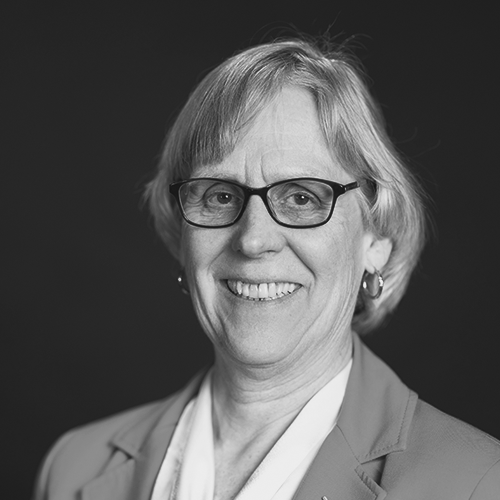
Mildred Warner specializes in local government service delivery, economic development, and intergenerational planning. Professor Warner’s research critically examines privatization, devolution, and market-based approaches, highlighting both their potential and their uneven impacts on vulnerable communities. She has published over 200 scholarly works in leading journals and received major research funding from U.S. federal agencies and foundations. Professor Warner’s work bridges policy, practice, and social infrastructure, particularly in human services and sustainability. Internationally recognized, she actively collaborates with governments and institutions worldwide on public sector reform and inclusive development strategies.
Almost done! Check your email to get your password.

Rights of Nature
A New Paradigm for Environmental Protection?
Wednesday, May 27, 2026, 2pm
EDT
Event Overview
Rights of Nature represents a groundbreaking shift in environmental protection — a legal framework that recognizes rivers, forests, and other natural entities as having inherent rights to exist, flourish, and remain clean. This transformative model emerged in the Global South, led by Ecuador, the first country to enshrine Rights of Nature in its constitution. It has since inspired movements and legal debates worldwide, redefining the relationship between people and the planet.
Join us for a special Keynote in which lawyers, civil society activists, and academics discuss how Rights of Nature is being interpreted and applied in the courts of Ecuador and Colombia. They will also explore the challenges this paradigm faces and highlight the opportunities it creates for strengthening environmental protection and advancing sustainability. The conversation offers a rare, frontline look at the evolving global dialogue on environmental justice.
This work is part of a collaboration between the Ashley School of Global Development and Environment at Cornell and the Universidad San Francisco de Quito in Ecuador. It is supported by the Cornell Global Hubs Program and the Polson Institute for Global Development.
Open access background reading: Special Issue: Integrating Ecology, Law, and Society to Protect the Environment.Journal of Integrated Global STEM: People, Technology and Policy. 3(1). Warner and Martínez-Moscoso (2026).
Join us for a special Keynote in which lawyers, civil society activists, and academics discuss how Rights of Nature is being interpreted and applied in the courts of Ecuador and Colombia. They will also explore the challenges this paradigm faces and highlight the opportunities it creates for strengthening environmental protection and advancing sustainability. The conversation offers a rare, frontline look at the evolving global dialogue on environmental justice.
This work is part of a collaboration between the Ashley School of Global Development and Environment at Cornell and the Universidad San Francisco de Quito in Ecuador. It is supported by the Cornell Global Hubs Program and the Polson Institute for Global Development.
Open access background reading: Special Issue: Integrating Ecology, Law, and Society to Protect the Environment.
What You'll Learn
- An introduction to the Rights of Nature framework
- Why the Global South is leading the adoption of this paradigm for ecosystem conservation
- Lessons from successful social movements working to protect nature
- How Rights of Nature is being interpreted and applied in the courts
Speakers
Mildred E. Warner
Professor, City and Regional Planning
Cornell University College of Architecture, Art, and Planning
Andrés Martínez Moscoso
Professor of Law
Universidad San Francisco de Quito
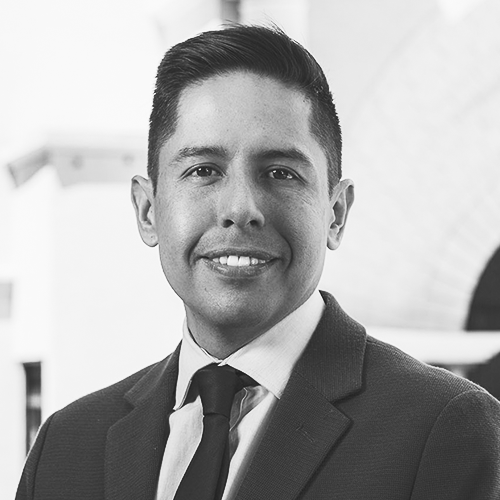
Andrés Martínez Moscoso is an environmental law scholar whose work focuses on water governance, environmental regulation, and the evolving recognition of nature in legal systems. His research examines institutional design, multilevel governance, and the influence of European environmental law in Latin America.
Dr. Martínez Moscoso explores how regulatory frameworks address sustainability challenges, including pollution, natural resource management, and climate-related risks. His work also engages with policy implementation and the interaction between legal norms and social movements.
Dr. Martínez Moscoso has published widely and collaborates with international academic and policy networks on advancing environmental governance and sustainable development. He holds the Jean Monnet Chair (European Commission, Erasmus+) and is a Member of IUCN WCEL.
Lisa María Madera
Founding Board Member
Colectivo Rescate del Río San Pedro
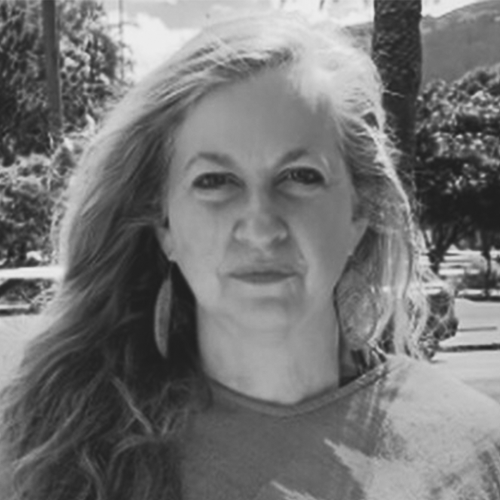
Lisa María Madera is an Ecuadorian-American writer, educator, and environmental advocate whose work bridges storytelling, community action, and ecological restoration. As a founding member of the Colectivo Rescate del Río San Pedro, Ms. Madera has led intergenerational initiatives to restore urban rivers through Andean mingas, combining art, science, and ancestral practices. Her efforts contributed to landmark legal recognition of river rights in Ecuador.
Ms. Madera’s writing explores the relationship between culture, spirituality, and nature, with publications in leading academic and literary venues. A Climate Parent Fellow, she is committed to fostering community-based environmental stewardship and reimagining human relationships with the natural world.
Ramiro Ávila Santamaría
Professor of Law
Universidad Andina Simón Bolivar
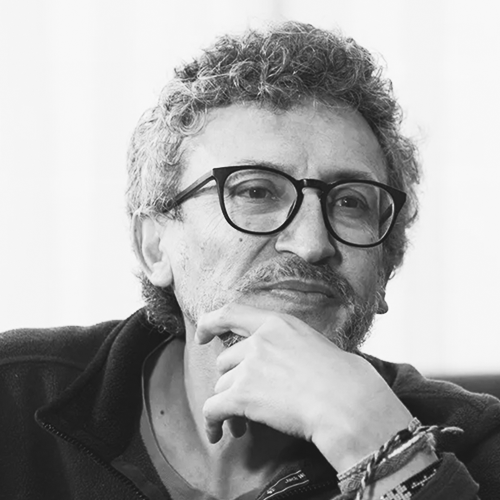
Ramiro Ávila Santamaría is an Ecuadorian legal scholar, former judge of the Constitutional Court of Ecuador, and a leading voice in critical criminology and constitutional law. Dr. Ávila Santamaría’s academic work focuses on human rights, criminal justice, and socio-legal theory, with a strong emphasis on structural inequalities and state power.
As a constitutional judge, Dr. Ávila Santamaría contributed to landmark jurisprudence advancing the recognition and enforceability of the rights of nature, reinforcing their status as directly applicable constitutional rights. Alongside his judicial and academic work, he is an active advocate for transformative constitutionalism and environmental justice, linking legal theory with social and ecological movements.

Carlos Quizhpe Parra
Environmental Engineer and Ph.D. Candidate
University of Cuenca
Carlos Quizhpe Parra is an Environmental Engineer and M.A. in Socio-Environmental Studies (FLACSO) as well as a Ph.D. candidate in Territorial Sustainability with a focus on Post-Development Studies at the University of Cuenca.
A specialist in political ecology and socio-environmental conflicts, Mr. Quizhpe Parra’s recent publications analyze extractivism, natural resource governance, energy, and the rights of nature, as well as social movements in defense of water in the Andean region.
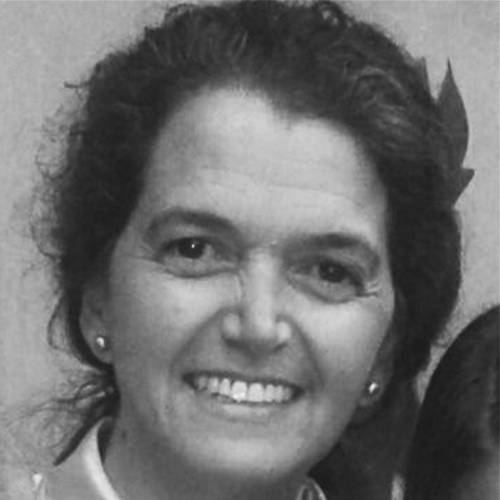
Marta Echavarría is an environmental leader with over three decades of experience advancing conservation finance and nature-based solutions in Latin America. As President of EcoDecision LLC, Ms. Echavarría has pioneered innovative mechanisms to protect ecosystems and support local livelihoods, including water funds, environmental easements, and carbon initiatives.
Ms. Echavarría’s work bridges science, policy, and market-based tools to address water security and biodiversity conservation. She has played a key role in landmark Rights of Nature litigation in Ecuador, contributing to legal recognition of urban rivers. Through her leadership, Ms. Echavarría promotes interdisciplinary collaboration and sustainable development strategies across the region.
Mildred E. Warner
Professor, City and Regional Planning
Cornell University College of Architecture, Art, and Planning
Mildred Warner specializes in local government service delivery, economic development, and intergenerational planning. Professor Warner’s research critically examines privatization, devolution, and market-based approaches, highlighting both their potential and their uneven impacts on vulnerable communities. She has published over 200 scholarly works in leading journals and received major research funding from U.S. federal agencies and foundations. Professor Warner’s work bridges policy, practice, and social infrastructure, particularly in human services and sustainability. Internationally recognized, she actively collaborates with governments and institutions worldwide on public sector reform and inclusive development strategies.
Andrés Martínez Moscoso
Professor of Law
Universidad San Francisco de Quito
Andrés Martínez Moscoso is an environmental law scholar whose work focuses on water governance, environmental regulation, and the evolving recognition of nature in legal systems. His research examines institutional design, multilevel governance, and the influence of European environmental law in Latin America.
Dr. Martínez Moscoso explores how regulatory frameworks address sustainability challenges, including pollution, natural resource management, and climate-related risks. His work also engages with policy implementation and the interaction between legal norms and social movements.
Dr. Martínez Moscoso has published widely and collaborates with international academic and policy networks on advancing environmental governance and sustainable development. He holds the Jean Monnet Chair (European Commission, Erasmus+) and is a Member of IUCN WCEL.
Lisa María Madera
Founding Board Member
Colectivo Rescate del Río San Pedro
Lisa María Madera is an Ecuadorian-American writer, educator, and environmental advocate whose work bridges storytelling, community action, and ecological restoration. As a founding member of the Colectivo Rescate del Río San Pedro, Ms. Madera has led intergenerational initiatives to restore urban rivers through Andean mingas, combining art, science, and ancestral practices. Her efforts contributed to landmark legal recognition of river rights in Ecuador.
Ms. Madera’s writing explores the relationship between culture, spirituality, and nature, with publications in leading academic and literary venues. A Climate Parent Fellow, she is committed to fostering community-based environmental stewardship and reimagining human relationships with the natural world.
Ramiro Ávila Santamaría
Professor of Law
Universidad Andina Simón Bolivar
Ramiro Ávila Santamaría is an Ecuadorian legal scholar, former judge of the Constitutional Court of Ecuador, and a leading voice in critical criminology and constitutional law. Dr. Ávila Santamaría’s academic work focuses on human rights, criminal justice, and socio-legal theory, with a strong emphasis on structural inequalities and state power.
As a constitutional judge, Dr. Ávila Santamaría contributed to landmark jurisprudence advancing the recognition and enforceability of the rights of nature, reinforcing their status as directly applicable constitutional rights. Alongside his judicial and academic work, he is an active advocate for transformative constitutionalism and environmental justice, linking legal theory with social and ecological movements.
Carlos Quizhpe Parra
Environmental Engineer and Ph.D. Candidate
University of Cuenca
Carlos Quizhpe Parra is an Environmental Engineer and M.A. in Socio-Environmental Studies (FLACSO) as well as a Ph.D. candidate in Territorial Sustainability with a focus on Post-Development Studies at the University of Cuenca.
A specialist in political ecology and socio-environmental conflicts, Mr. Quizhpe Parra’s recent publications analyze extractivism, natural resource governance, energy, and the rights of nature, as well as social movements in defense of water in the Andean region.
Marta Echavarría is an environmental leader with over three decades of experience advancing conservation finance and nature-based solutions in Latin America. As President of EcoDecision LLC, Ms. Echavarría has pioneered innovative mechanisms to protect ecosystems and support local livelihoods, including water funds, environmental easements, and carbon initiatives.
Ms. Echavarría’s work bridges science, policy, and market-based tools to address water security and biodiversity conservation. She has played a key role in landmark Rights of Nature litigation in Ecuador, contributing to legal recognition of urban rivers. Through her leadership, Ms. Echavarría promotes interdisciplinary collaboration and sustainable development strategies across the region.
- View slide #1
- View slide #2
- View slide #3
- View slide #4
- View slide #5
- View slide #6
View Keynote by completing the form below.
Gain access to this free event
Thanks,
You're Registered!
You're Registered!
You will be able to view your event here:
https://ecornell.cornell.edu/keynotes/view/K052726/
https://ecornell.cornell.edu/keynotes/view/K052726/
May27
Add to Calendar 2:00 PM - 3:00 PM EDT
2026-05-27 14:002026-05-27 15:00Rights of NatureAdd to CalendarRights of Nature represents a groundbreaking shift in environmental protection — a legal framework that recognizes rivers, forests, and other natural entities as having inherent rights to exist, flourish, and remain clean. This transformative model emerged in the Global South, led by Ecuador, the first country to enshrine Rights of Nature in its constitution. It has since inspired movements and legal debates worldwide, redefining the relationship between people and the planet.
Join us for a special Keynote in which lawyers, civil society activists, and academics discuss how Rights of Nature is being interpreted and applied in the courts of Ecuador and Colombia. They will also explore the challenges this paradigm faces and highlight the opportunities it creates for strengthening environmental protection and advancing sustainability. The conversation offers a rare, frontline look at the evolving global dialogue on environmental justice.
This work is part of a collaboration between the Ashley School of Global Development and Environment at Cornell and the Universidad San Francisco de Quito in Ecuador. It is supported by the Cornell Global Hubs Program and the Polson Institute for Global Development.
Open access background reading: Special Issue: Integrating Ecology, Law, and Society to Protect the Environment.Journal of Integrated Global STEM: People, Technology and Policy. 3(1). Warner and Martínez-Moscoso (2026).https://ecornell.cornell.edu/keynotes/view/K052726/primaryAmerica/New_YorkeCornell
Join us for a special Keynote in which lawyers, civil society activists, and academics discuss how Rights of Nature is being interpreted and applied in the courts of Ecuador and Colombia. They will also explore the challenges this paradigm faces and highlight the opportunities it creates for strengthening environmental protection and advancing sustainability. The conversation offers a rare, frontline look at the evolving global dialogue on environmental justice.
This work is part of a collaboration between the Ashley School of Global Development and Environment at Cornell and the Universidad San Francisco de Quito in Ecuador. It is supported by the Cornell Global Hubs Program and the Polson Institute for Global Development.
Open access background reading: Special Issue: Integrating Ecology, Law, and Society to Protect the Environment.
Join or sign in to tailor your experience and earn CEUs from Cornell.
Create Account