
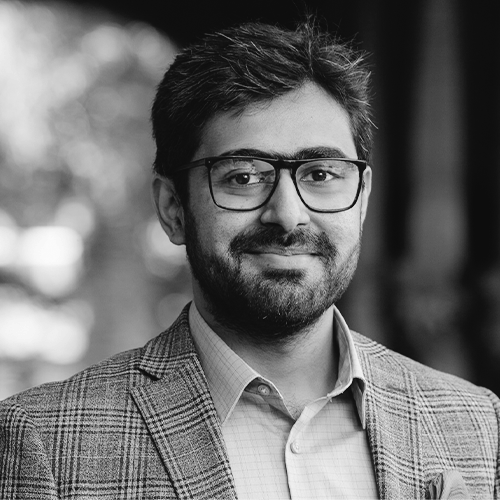
Dr. Mir is a Senior Expert at the United States Institute of Peace and an affiliate with Stanford’s Center for International Security and Cooperation. His research interests are in the International Relations of South Asia, political violence, US counterterrorism policy, al-Qaida, and social media and politics. Some of his research has appeared in peer-reviewed journals, such as International Security, International Studies Quarterly, and Security Studies. My commentary has appeared in Foreign Affairs, Foreign Policy, H-Diplo, Lawfare, Modern War Institute, New York Times, Political Violence at a Glance, Politico, and Washington Post.
Almost done! Check your email to get your password.
Event Overview
Since 9/11, the U.S. has used armed drones to combat terrorists. Bush initiated the use of strikes; Obama accelerated the practice, especially in Pakistan; and, Trump institutionalized it further. Biden’s “over-the-horizon” counterterrorism strategy suggests he will also continue to rely on strikes. At the same time, other states and stateless actors, including France and the Islamic State, have acquired drones indicating the emergence of a “second drone age.”
What are the implications of the evolving proliferation of drones for international security and global order? How do these consequences, in turn, shape policies to manage the emergence of automated and autonomous remote-warfare technologies? This panel discussion draws on the insights of three experts to answer these and related questions, including Mr. John Brennan, former Director of the Central Intelligence Agency; Asfandyar Mir from the United States Institute of Peace; and, U.S. Army Lieutenant Colonel Paul Lushenko, a General Andrew Jackson Goodpaster Scholar at Cornell University.
This event is a collaboration between the Brooks School of Public Policy, Cornell Tech Policy Lab, the Cornell Institute of Politics and Global Affairs, and The Judith Reppy Institute for Peace and Conflict Studies.
What are the implications of the evolving proliferation of drones for international security and global order? How do these consequences, in turn, shape policies to manage the emergence of automated and autonomous remote-warfare technologies? This panel discussion draws on the insights of three experts to answer these and related questions, including Mr. John Brennan, former Director of the Central Intelligence Agency; Asfandyar Mir from the United States Institute of Peace; and, U.S. Army Lieutenant Colonel Paul Lushenko, a General Andrew Jackson Goodpaster Scholar at Cornell University.
This event is a collaboration between the Brooks School of Public Policy, Cornell Tech Policy Lab, the Cornell Institute of Politics and Global Affairs, and The Judith Reppy Institute for Peace and Conflict Studies.
What You'll Learn
- The intended political and military benefits of armed drones
- The legal, moral, and ethical implications of armed drones
- The unintended political, military, social, and economic costs of armed drones
- Global models of drone strikes
- Options to manage the proliferation of armed drones
- Emerging research into countries’ use of armed drones
Speakers
Asfandyar Mir
Senior Expert
United States Institute of Peace
Senior Expert at the United States Institute of Peace; Affiliate of Stanford's Center for International Security and Cooperation
John Brennan
Former Director, Central Intelligence Agency
Fordham University Center on National Security
Former Director, Central Intelligence Agency
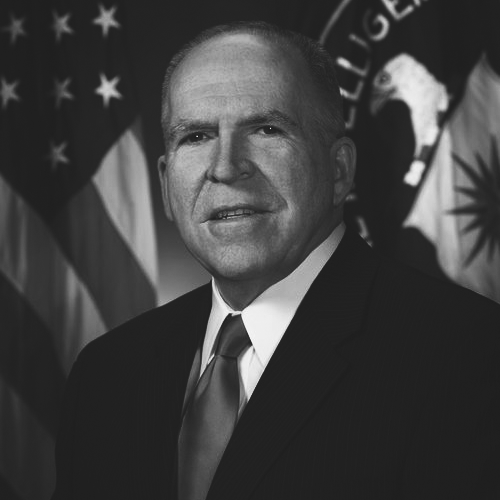
John O. Brennan has 33 years of government experience, culminating in his service as the Director of the Central Intelligence Agency under President Barack Obama from 2013 to 2017. After retiring from federal service, Mr. Brennan transitioned to serve as the Distinguished Fellow for Global Security at Fordham University’s Center on National Security. In addition to many professional credentials, Mr. Brennan graduated from Fordham University in 1977 with a Bachelor’s Degree in Political Science.
Paul Lushenko, U.S. Army Lieutenant Colonel
General Andrew Jackson Goodpaster Scholar
Cornell Jeb E. Brooks School of Public Policy
Department of Government, Cornell University
General Andrew Jackson Goodpaster Scholar
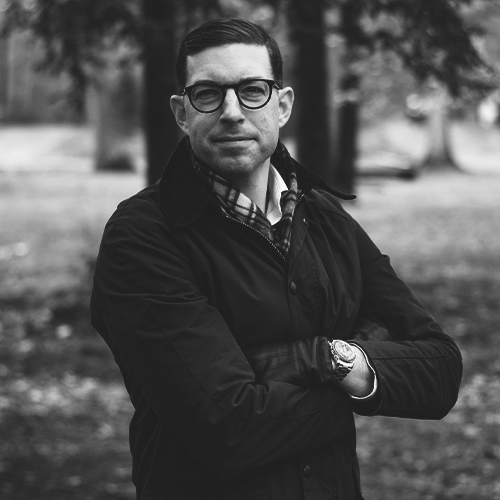
Paul Lushenko is a U.S. Army Lieutenant Colonel, General Andrew Jackson Goodpaster Scholar, and Deputy Director of the Brooks School Tech. Policy Institute at Cornell University, where he is pursuing a Doctorate in International Relations with a focus on the perceived legitimacy of drone strikes. He has written and lectured widely on drone warfare and is the co-editor of “Drones and Global Order: The Implications of Remote Warfare for International Society” (2022). After commissioning as a military intelligence officer in 2005 from West Point, LTC Lushenko studied at The Australian National University and the U.S. Naval War College. He is also a Council on Foreign Relations term member and adjunct research lecturer for the Australian Graduate School of Policing and Security at Charles Sturt University.

Sarah E. Kreps - Moderator
John L. Wetherill Professor
Steve Israel – Host
Director
Cornell Institute of Politics and Global Affairs
Director, Institute of Politics and Global Affairs, Cornell University; Member of Congress, 2001-2017
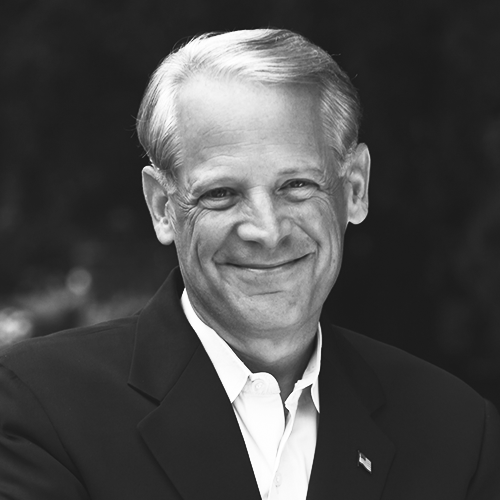
Former Congressman Steve Israel left Capitol Hill – unindicted and undefeated – to pursue a career as a writer. In addition to writing two critically acclaimed satires of Washington, he heads Cornell University’s nonpartisan Institute of Politics and Global Affairs in New York City. Mr. Israel was a member of Congress for 16 years. He left in 2017, having served as House Democrats’ chief political strategist from 2011 to 2015 as Chairman of the Democratic Congressional Campaign Committee. President Bill Clinton called him “one of the most thoughtful Members of Congress” — which, Mr. Israel notes, isn’t really saying much at all. He is a regular political commentator on MSNBC and his insights appear regularly in The New York Times and The Atlantic, as well as The Washington Post and Wall Street Journal. He was profiled on HBO’s “Last Week Tonight with John Oliver” and appeared on the CBS institution “60 Minutes.” As the Director of Cornell’s Institute of Politics and Global Affairs, Mr. Israel leads the only academically based institute of politics in the New York City metropolitan area. Its mission is to raise the discourse and foster a deeper understanding of political issues and geopolitics.
Asfandyar Mir
Senior Expert
United States Institute of Peace
Senior Expert at the United States Institute of Peace; Affiliate of Stanford's Center for International Security and Cooperation
Dr. Mir is a Senior Expert at the United States Institute of Peace and an affiliate with Stanford’s Center for International Security and Cooperation. His research interests are in the International Relations of South Asia, political violence, US counterterrorism policy, al-Qaida, and social media and politics. Some of his research has appeared in peer-reviewed journals, such as International Security, International Studies Quarterly, and Security Studies. My commentary has appeared in Foreign Affairs, Foreign Policy, H-Diplo, Lawfare, Modern War Institute, New York Times, Political Violence at a Glance, Politico, and Washington Post.
John Brennan
Former Director, Central Intelligence Agency
Fordham University Center on National Security
Former Director, Central Intelligence Agency
John O. Brennan has 33 years of government experience, culminating in his service as the Director of the Central Intelligence Agency under President Barack Obama from 2013 to 2017. After retiring from federal service, Mr. Brennan transitioned to serve as the Distinguished Fellow for Global Security at Fordham University’s Center on National Security. In addition to many professional credentials, Mr. Brennan graduated from Fordham University in 1977 with a Bachelor’s Degree in Political Science.
Paul Lushenko, U.S. Army Lieutenant Colonel
General Andrew Jackson Goodpaster Scholar
Cornell Jeb E. Brooks School of Public Policy
Department of Government, Cornell University
General Andrew Jackson Goodpaster Scholar
Paul Lushenko is a U.S. Army Lieutenant Colonel, General Andrew Jackson Goodpaster Scholar, and Deputy Director of the Brooks School Tech. Policy Institute at Cornell University, where he is pursuing a Doctorate in International Relations with a focus on the perceived legitimacy of drone strikes. He has written and lectured widely on drone warfare and is the co-editor of “Drones and Global Order: The Implications of Remote Warfare for International Society” (2022). After commissioning as a military intelligence officer in 2005 from West Point, LTC Lushenko studied at The Australian National University and the U.S. Naval War College. He is also a Council on Foreign Relations term member and adjunct research lecturer for the Australian Graduate School of Policing and Security at Charles Sturt University.
Sarah E. Kreps - Moderator
John L. Wetherill Professor
Steve Israel – Host
Director
Cornell Institute of Politics and Global Affairs
Director, Institute of Politics and Global Affairs, Cornell University; Member of Congress, 2001-2017
Former Congressman Steve Israel left Capitol Hill – unindicted and undefeated – to pursue a career as a writer. In addition to writing two critically acclaimed satires of Washington, he heads Cornell University’s nonpartisan Institute of Politics and Global Affairs in New York City. Mr. Israel was a member of Congress for 16 years. He left in 2017, having served as House Democrats’ chief political strategist from 2011 to 2015 as Chairman of the Democratic Congressional Campaign Committee. President Bill Clinton called him “one of the most thoughtful Members of Congress” — which, Mr. Israel notes, isn’t really saying much at all. He is a regular political commentator on MSNBC and his insights appear regularly in The New York Times and The Atlantic, as well as The Washington Post and Wall Street Journal. He was profiled on HBO’s “Last Week Tonight with John Oliver” and appeared on the CBS institution “60 Minutes.” As the Director of Cornell’s Institute of Politics and Global Affairs, Mr. Israel leads the only academically based institute of politics in the New York City metropolitan area. Its mission is to raise the discourse and foster a deeper understanding of political issues and geopolitics.
View Keynote by completing the form below.
Gain access to this free event
Thanks,
You're Registered!
Join or sign in to tailor your experience and earn CEUs from Cornell.
Create Account