

Devon Proudfoot is an Assistant Professor of Human Resource Studies at Cornell University’s ILR School. Professor Proudfoot’s current research focuses on gender issues in the workplace; she is particularly interested in understanding how gender stereotypes impact well-being and motivation at work as well as how people experience gender across different cultures. At Cornell, Professor Proudfoot teaches courses on Diversity and Inclusion at both the undergraduate and Master’s levels.

Diversity, Equity, and Inclusion: Building a Diverse WorkforceCornell Certificate Program
Diversity, Equity, and Inclusion: Building a Diverse Workforce (ILRC04)
Enroll Now
Online
$3,900
Request More Info
More Info
Overview and Courses
Diversity, equity, inclusion, and justice efforts are becoming increasingly important in every industry and organization. This push toward diversity encompasses more than just creating an inclusive climate for the employees that are already in your workplace; your organization’s hiring process, from recruitment through to retention and employee success, is an opportunity to create a more inclusive and diverse workforce.
Approaching hiring with an inclusion-centered framework that mitigates bias can result in hiring more qualified people with marginalized identities across all roles in your organization and ensuring that those potential employees feel like they belong in your organization even before their first day at work. This certificate will explore the three stages of hiring — building talent pools, adopting selection practices, and onboarding for employee engagement — detailing methods of inclusion for each stage. By refocusing your hiring practices on inclusion, you can meet and exceed your organization’s DEI goals then sustain them over time.
The courses in this certificate program are required to be completed in the order that they appear.
This program includes two years of free access to the HR Symposium and Leadership Symposium!
These highly interactive virtual events span multiple days and explore today's most pressing topics. Symposium offers exclusive opportunities to engage in real-time discussions with your eCornell community, applying insights from your courses to real-world scenarios. Through reflections and small-group discussions, you'll deepen your learning, broaden your perspective, and expand your professional network.
Symposium events are held throughout the year, providing ongoing opportunities to stay engaged, gain fresh perspectives, and strengthen your skills. Once enrolled, you'll receive access to the Symposium networking site and details about upcoming sessions. You can participate in as many as you'd like to make the most of your experience, through attendance is not required to complete your program.
Course list
Your talent pool represents all of the potential candidates you can hire for a job. As the first step of the hiring process, it is the first critical indicator of whether your hiring process is inclusive. A diverse talent pool is one that encompasses the many potential candidates on the market who could successfully apply for a particular role at your organization and mitigates areas of bias that often prevent marginalized candidates from joining and staying in the talent pool. Without a diverse talent pool, you cannot interview a diverse array of candidates and hire those candidates to create a more inclusive and representative workforce. By eliminating bias in the hiring process, your organization can build a diverse talent pool and create the foundation for inclusion, from recruitment all the way through to retention and success.
In this course, you will establish what diversity and inclusion mean in relation to the hiring process and specifically how they connect to building diverse talent pools. You'll also evaluate your organization's sourcing methods for opportunities to establish more inclusive talent pipelines. You will then enhance your company's messaging to attract a diverse array of candidates and address sources of bias in the initial screening processes that your organization uses for early-stage job candidates. Finally, you'll explore different methods for measuring the effectiveness of your inclusion-based recruitment strategies. These methods will help you create an inclusion-centered approach to hiring that will broaden your talent pool and create more opportunities for your organization to hire candidates of marginalized identities and experiences.
It is strongly encouraged for students to take this course first, unless they have a strong amount of hiring and DEI experience.
View Course Start Dates Hide Course Start Dates
View Course Details- Oct 21, 2026
- Jan 13, 2027
- Apr 7, 2027
- Jun 30, 2027
- Sep 22, 2027
- Dec 15, 2027
Candidate evaluation is the second stage of the hiring process. The evaluation stage allows your organization to determine which candidates from your diverse talent pool are the most qualified to meet the needs of an open position. During candidate evaluation, every step, from reviewing résumés to conducting interviews and making selection decisions, offers an opportunity for inclusion. Yet each step within this stage of the hiring process also has pitfalls that can result in candidates of marginalized identities being excluded and impacting your organization's long-term inclusion goals.
In this course, you will begin by examining how the candidate evaluation stage fits within an inclusive hiring approach, including the power of decision making in candidate selection. You will explore best practices for early-stage candidate evaluations and for interviewing candidates, and you'll evaluate the potential challenges of common approaches like pre-interview assessments and interviewing for “fit.” You can use these best practices to make inclusive selection decisions that reduce bias and emphasize equity in candidate selection.
You are required to have completed the following courses or have equivalent experience before taking this course:
- Building Diverse Talent Pools
View Course Start Dates Hide Course Start Dates
View Course Details- Nov 4, 2026
- Jan 27, 2027
- Apr 21, 2027
- Jul 14, 2027
- Oct 6, 2027
- Dec 29, 2027
The hiring process does not stop at making a job offer. Onboarding and retention that lead to employee success make up the final stage of an inclusive hiring process. When you hire a new candidate, that candidate will be integrated within your organization through onboarding and hopefully grow over their time of employment. Candidates from marginalized backgrounds do not want to enter a new organization only to feel excluded immediately upon onboarding or to find themselves unable to advance. By providing candidates with inclusive onboarding measures and equitable, proactive opportunities for growth, you can maintain inclusion both within your hiring practices and within your organization as a whole.
In this course, you will begin by reviewing the concept of employee integration and how it is impacted by onboarding and cultural inclusion. You will then determine the value of making inclusive offers to your candidates, including what equitable benefits and negotiation practices look like. You'll explore how to build an inclusive onboarding experience as well as how to sustain an employee's success beyond onboarding through internal hiring practices. Finally, you will revisit methods of tracking and monitoring DEI and inclusion progress over time to ensure that your organization recognizes the tangible benefits of an inclusive approach to hiring.
You are required to have completed the following courses or have equivalent experience before taking this course:
- Building Diverse Talent Pools
- Adopting Inclusive Hiring Practices
View Course Start Dates Hide Course Start Dates
View Course Details- Feb 10, 2027
- May 5, 2027
- Jul 28, 2027
- Oct 20, 2027
There is no such thing as a workplace that lacks diversity. Despite decades of legal and social reform aimed at reducing discrimination in the workplace, inequality continues to be a significant problem in all societies and most workplaces.
In this course, you will identify the perceptual and psychological processes that impact the way that individuals interact with people who are demographically dissimilar from them. You will examine the psychological processes that impact decision making within organizations and identify how professionals can design better work practices and help to more effectively leverage the potential among employees.
As a trained psychologist with research and consulting expertise related to diversity and inclusion, Cornell University Professor Lisa Nishii is uniquely positioned to help course participants understand the complex dynamics underlying diversity challenges and opportunities within organizations.
View Course Start Dates Hide Course Start Dates
View Course Details- Nov 4, 2026
- Dec 2, 2026
- Dec 30, 2026
- Jan 27, 2027
- Feb 24, 2027
- Mar 24, 2027
- Apr 21, 2027
Symposium sessions feature two days of live, highly interactive virtual Zoom sessions that will explore today's most pressing topics. The Leadership Symposium offers you a unique opportunity to engage in real-time conversations with peers and experts from the Cornell community and beyond. Using the context of your own experiences, you will take part in reflections and small-group discussions to build on the skills and knowledge you have gained from your courses.
Join us for the next Symposium in which we'll discuss the ways that leaders across industries have continued engaging their teams over the past two years while pivoting in strategic ways. You will support your coursework by applying your knowledge and experiences to relevant topics for leaders. Throughout this Symposium, you will examine different areas of leadership, including the psychology of leadership; women in leadership; and leading in a volatile, uncertain, complex, and ambiguous world. By participating in relevant and engaging discussions, you will discover a variety of perspectives and build connections with your fellow participants from various industries.
All sessions are held on Zoom.
Future dates are subject to change. You may participate in as many sessions as you wish. Attending Symposium sessions is not required to successfully complete any certificate program. Once enrolled in your courses, you will receive information about upcoming events. Accessibility accommodations will be available upon request.
Symposium sessions feature two days of live, highly interactive virtual Zoom sessions that will explore today's most pressing topics. The HR Symposium offers you a unique opportunity to engage in real-time conversations with peers and experts from the Cornell community and beyond. Using the context of your own experiences, you will take part in reflections and small-group discussions to build on the skills and knowledge you have gained from your courses.
Join us for the next Symposium, in which we'll share experiences from across the industry, inspiring real-time conversations about best practices, innovation, and the future of human resources work. You will support your coursework by applying your knowledge and experiences to some of the most pressing topics and trends in the HR field. By participating in relevant and engaging discussions, you will discover a variety of perspectives and build connections with your fellow participants from across the industry.
All sessions are held on Zoom.
Future dates are subject to change. You may participate in as many sessions as you wish. Attending Symposium sessions is not required to successfully complete any certificate program. Once enrolled in your courses, you will receive information about upcoming events. Accessibility accommodations will be available upon request.
eCornell online Workshops are live, interactive learning experiences lasting 1 to 4 hours and led by Cornell faculty experts. These premium, short-format sessions focus on AI topics and are designed for busy professionals who want to gain immediately applicable skills and strategic perspectives. Workshops may include faculty presentations, breakout discussions, and guided hands-on practice.
The AI Workshops All-Access Pass provides you with unlimited participation for 6 months from your date of purchase. Whether you choose to attend one Workshop per month or several per week, the All-Access Pass allows you to customize your AI journey and stay on top of the latest AI trends.
Hosted by Cornell faculty at the forefront of their fields, Workshops cover a range of cutting-edge AI topics applicable across industries. Workshops are offered at three levels to allow you to choose topics that match your experience.
- AI Foundations
- These Workshops introduce core AI concepts, terminology, capabilities, limitations, and practical applications. No prior AI experience is required.
- Best for: Beginners, AI-curious professionals, and teams starting their AI journey.
- AI in Practice
- These Workshops focus on practical skills, workflows, and strategies that help participants use AI more effectively in their day-to-day work. Some familiarity with AI tools is recommended.
- Best for: Professionals who have experimented with AI and want to build confidence and capability.
- AI Leadership and Transformation
- These advanced Workshops explore emerging technologies, strategic implementation, governance, organizational impact, and specialized applications. AI fluency is expected, and some Workshops may have prerequisites.
- Best for: AI leaders, transformation teams, executives, and advanced practitioners.
Request more Info by completing the form below.
more Info
by completing the form below.Act today—courses are filling fast.
How It Works
Format
All Online
Time Commitment
2 months with 3 to 5 hours of study per week
Cost
$3,900
Learn From Top Minds
Courses are developed by Cornell faculty.
Power Your Career
Gain today’s most in-demand skills to stand apart.
Flexibility Fits Your Life
Learn on your schedule without stepping out of your job.
Small-class Experience
Participate in facilitated discussions and live sessions with industry peers.
Real-world Projects
Apply learnings and insights to your work to make an impact right away.
Personalized Feedback
Enjoy meaningful feedback on assignments from expert facilitators.
Format
All Online
Time Commitment
2 months with 3 to 5 hours of study per week
Cost
$3,900
Learn From Top Minds
Courses are developed by Cornell faculty.
Power Your Career
Gain today’s most in-demand skills to stand apart.
Flexibility Fits Your Life
Learn on your schedule without stepping out of your job.
Small-class Experience
Participate in facilitated discussions and live sessions with industry peers.
Real-world Projects
Apply learnings and insights to your work to make an impact right away.
Personalized Feedback
Enjoy meaningful feedback on assignments from expert facilitators.
Faculty Authors
Assistant Professor of Human Resource Studies, Cornell ILR School
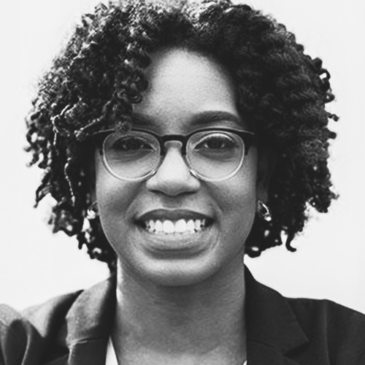
Courtney L. McCluney
Academic Director for Workplace Inclusion and Diversity Programs
Cornell ILR School
Academic Director for Workplace Inclusion and Diversity Programs, ILR School, Cornell University
Before becoming the Academic Director for Workplace Inclusion and Diversity Programs, Courtney L. McCluney was an Assistant Professor of Organizational Behavior in the ILR School at Cornell University. Dr. McCluney’s research examines how practices and norms in organizational contexts shape marginalized groups’ experiences and perpetuate inequitable structures. Before completing a postdoctoral fellowship in the Darden School of Business at the University of Virginia, she earned her Ph.D. in Psychology at the University of Michigan and B.A. in Psychology and Interpersonal/Organizational Communications at the University of North Carolina at Chapel Hill, where she was a Ronald E. McNair Scholar. Dr. McCluney has published numerous articles and book chapters in academic and practitioner outlets on diversity, inclusion, race, and gender at work. Prior to her academic career, she completed a research fellowship at Catalyst, Inc., and an AmeriCorps social impact fellowship in Boston, MA. Dr. McCluney is a first-generation college graduate from High Point, NC.

Associate Professor of Human Resource Studies, Cornell ILR School
JR Keller is an Associate Professor of Human Resource Studies in the ILR School at Cornell University. Professor Keller’s research focuses on understanding how firms make hiring decisions and individuals make career choices, with a particular interest in the ways in which the dynamics shape how employees change jobs within firms.
Professor Keller’s work has appeared in several leading academic and practitioner outlets, including Administrative Science Quarterly, Academy of Management Journal, Academy of Management Review, Harvard Business Review, Industrial & Labor Relations Review, People & Strategy, and Organization Science.
Prior to pursuing a Ph.D., Professor Keller had two careers: the first as a financial analyst and the second as a career consultant. He earned his Ph.D. in Management from The Wharton School at The University of Pennsylvania and holds a Master’s in Adult Education from Indiana University as well as undergraduate degrees in Finance and Computer Applications from the University of Notre Dame.

Assistant Professor of Organizational Behavior, Cornell ILR School
Sean Fath is an Assistant Professor of Organizational Behavior at Cornell’s ILR School. Broadly, his research focuses on managerial decision making, bias reduction in social evaluations, and perceptions of social and organizational hierarchy. Before coming to Cornell, Professor Fath received his Ph.D. in Management and Organizations from Duke University.
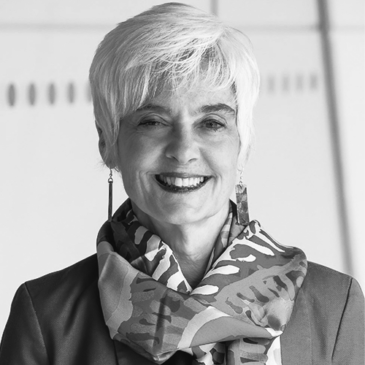
Susanne M. Bruyère, Ph.D., CRC, Professor of Disability Studies and Academic Director of the K. Lisa Yang and Hock E. Tan Institute on Employment and Disability, Cornell University ILR School
Susanne M. Bruyère, Ph.D., CRC, is currently Professor of Disability Studies and Academic Director of the K. Lisa Yang and Hock E. Tan Institute on Employment and Disability, Cornell University ILR (Industrial and Labor Relations) School, Ithaca, N.Y.
The Yang-Tan Institute is a research, training, and technical assistance center focusing on disability inclusion in employment, education, and community. Dr. Bruyère serves as Institute administrative and strategic lead, and also as the PI/Co-PI of numerous research, dissemination, and technical assistance efforts focused on employment and disability policy and effective workplace practices for people with disabilities.
She is the author/co-author of three books and over 120 peer-reviewed articles and book chapters on workplace disability inclusion and related topics. Susanne holds a doctoral degree in Rehabilitation Counseling Psychology from the University of Wisconsin-Madison and is a Fellow in the American Psychological Association. Dr. Bruyère is a past president of the Division of Rehabilitation Psychology (22) of the American Psychological Association, the American Rehabilitation Counseling Association (ARCA), the National Council on Rehabilitation Education (NCRE), and past Board Chair of the Executive Board of the Global Applied Disability Research and Information Network on Employment and Training (GLADNET), and the Commission on Accreditation of Rehabilitation Facilities (CARF).

Professor and Vice Provost for Undergraduate Education, Cornell University
Lisa Nishii joined the faculty of the Human Resource Studies department at the ILR School, Cornell University after receiving her Ph.D. and M.A. in Organizational Psychology from the University of Maryland, and a B.A in economics from Wellesley College.
Nishii is an expert on inclusion in organizations. Her research focuses on the confluence of organizational practices, leadership behaviors, and climate for inclusion on individual- and group-level outcomes. Using multi-level and multi-method research designs across a number of large-scale federally funded projects, she has found that leaders play an important role in shaping inclusion. In particular, the extent to which leaders role model inclusive behaviors, clarify the learning and innovation benefits of diversity for the group’s work, and set strong norms related to interpersonal interactions, determines the inclusiveness of their workgroup climates. In turn, workgroup climate has important implications for the authenticity of the relationship that group members develop, the positive versus negative quality of relational ties, the information that is shared among group members, the extent of conflict that is experienced, and ultimately the creativity, financial performance, and turnover rates associated with these groups. Workgroup climate also impacts individual-level experiences of discrimination versus inclusion, as well as engagement and performance. She is currently developing and testing the effectiveness of training interventions for leaders as well as for in-tact teams on how to cultivate workgroup inclusion. Nishii’s earlier research focused primarily on diversity in individual-level cognition and behavior as determined by national culture.
Nishii actively publishes in top-tier journals, including the Academy of Management Review, Academy of Management Journal, Journal of Applied Psychology, Personnel Psychology, and Science, and serves on the editorial boards for AMR, AMJ, and JAP. She is currently the Chair of the Academy of Management’s Gender and Diversity in Organizations Division, and the Chair of the ILR School’s International Programs. She serves on a variety of college and university-level councils for diversity, globalization, and engaged learning. Nishii also consults with multinational companies, primarily related to diversity and inclusion and organizational assessment.

Professor of Human Resource Studies, Cornell University
John Hausknecht is a Professor of Human Resource Studies at Cornell University. He earned his Ph.D. in 2003 from Penn State University with a major in industrial/organizational psychology and minor in management. He received the 2004 S. Rains Wallace Award for the best dissertation in the field of industrial/organizational psychology. Professor Hausknecht’s research primarily falls within the domain of staffing and has appeared in the Academy of Management Journal, Journal of Applied Psychology, and Personnel Psychology. Recent papers have examined applicant persistence in selection settings, reactions to company hiring practices, and predictors and consequences of collective-level absenteeism and turnover. He currently serves on the editorial boards of the Academy of Management Journal, Journal of Applied Psychology, and Personnel Psychology.
Professor Hausknecht teaches undergraduate and graduate-level courses on human resource management, staffing organizations, and HR analytics. He received the ILR School’s MacIntyre Award for exemplary teaching in 2008. Prior to academia, he worked as a consultant to Fortune 500 firms in the areas of leadership assessment, talent management, and organizational change. Professor Hausknecht is a member of the Academy of Management, American Psychological Association, Society for Industrial and Organizational Psychology, and Society for Human Resource Management.
Assistant Professor of Human Resource Studies, Cornell ILR School
Devon Proudfoot is an Assistant Professor of Human Resource Studies at Cornell University’s ILR School. Professor Proudfoot’s current research focuses on gender issues in the workplace; she is particularly interested in understanding how gender stereotypes impact well-being and motivation at work as well as how people experience gender across different cultures. At Cornell, Professor Proudfoot teaches courses on Diversity and Inclusion at both the undergraduate and Master’s levels.
Courtney L. McCluney
Academic Director for Workplace Inclusion and Diversity Programs
Cornell ILR School
Academic Director for Workplace Inclusion and Diversity Programs, ILR School, Cornell University
Before becoming the Academic Director for Workplace Inclusion and Diversity Programs, Courtney L. McCluney was an Assistant Professor of Organizational Behavior in the ILR School at Cornell University. Dr. McCluney’s research examines how practices and norms in organizational contexts shape marginalized groups’ experiences and perpetuate inequitable structures. Before completing a postdoctoral fellowship in the Darden School of Business at the University of Virginia, she earned her Ph.D. in Psychology at the University of Michigan and B.A. in Psychology and Interpersonal/Organizational Communications at the University of North Carolina at Chapel Hill, where she was a Ronald E. McNair Scholar. Dr. McCluney has published numerous articles and book chapters in academic and practitioner outlets on diversity, inclusion, race, and gender at work. Prior to her academic career, she completed a research fellowship at Catalyst, Inc., and an AmeriCorps social impact fellowship in Boston, MA. Dr. McCluney is a first-generation college graduate from High Point, NC.
Associate Professor of Human Resource Studies, Cornell ILR School
JR Keller is an Associate Professor of Human Resource Studies in the ILR School at Cornell University. Professor Keller’s research focuses on understanding how firms make hiring decisions and individuals make career choices, with a particular interest in the ways in which the dynamics shape how employees change jobs within firms.
Professor Keller’s work has appeared in several leading academic and practitioner outlets, including Administrative Science Quarterly, Academy of Management Journal, Academy of Management Review, Harvard Business Review, Industrial & Labor Relations Review, People & Strategy, and Organization Science.
Prior to pursuing a Ph.D., Professor Keller had two careers: the first as a financial analyst and the second as a career consultant. He earned his Ph.D. in Management from The Wharton School at The University of Pennsylvania and holds a Master’s in Adult Education from Indiana University as well as undergraduate degrees in Finance and Computer Applications from the University of Notre Dame.
Assistant Professor of Organizational Behavior, Cornell ILR School
Sean Fath is an Assistant Professor of Organizational Behavior at Cornell’s ILR School. Broadly, his research focuses on managerial decision making, bias reduction in social evaluations, and perceptions of social and organizational hierarchy. Before coming to Cornell, Professor Fath received his Ph.D. in Management and Organizations from Duke University.
Susanne M. Bruyère, Ph.D., CRC, Professor of Disability Studies and Academic Director of the K. Lisa Yang and Hock E. Tan Institute on Employment and Disability, Cornell University ILR School
Susanne M. Bruyère, Ph.D., CRC, is currently Professor of Disability Studies and Academic Director of the K. Lisa Yang and Hock E. Tan Institute on Employment and Disability, Cornell University ILR (Industrial and Labor Relations) School, Ithaca, N.Y.
The Yang-Tan Institute is a research, training, and technical assistance center focusing on disability inclusion in employment, education, and community. Dr. Bruyère serves as Institute administrative and strategic lead, and also as the PI/Co-PI of numerous research, dissemination, and technical assistance efforts focused on employment and disability policy and effective workplace practices for people with disabilities.
She is the author/co-author of three books and over 120 peer-reviewed articles and book chapters on workplace disability inclusion and related topics. Susanne holds a doctoral degree in Rehabilitation Counseling Psychology from the University of Wisconsin-Madison and is a Fellow in the American Psychological Association. Dr. Bruyère is a past president of the Division of Rehabilitation Psychology (22) of the American Psychological Association, the American Rehabilitation Counseling Association (ARCA), the National Council on Rehabilitation Education (NCRE), and past Board Chair of the Executive Board of the Global Applied Disability Research and Information Network on Employment and Training (GLADNET), and the Commission on Accreditation of Rehabilitation Facilities (CARF).
Professor and Vice Provost for Undergraduate Education, Cornell University
Lisa Nishii joined the faculty of the Human Resource Studies department at the ILR School, Cornell University after receiving her Ph.D. and M.A. in Organizational Psychology from the University of Maryland, and a B.A in economics from Wellesley College.
Nishii is an expert on inclusion in organizations. Her research focuses on the confluence of organizational practices, leadership behaviors, and climate for inclusion on individual- and group-level outcomes. Using multi-level and multi-method research designs across a number of large-scale federally funded projects, she has found that leaders play an important role in shaping inclusion. In particular, the extent to which leaders role model inclusive behaviors, clarify the learning and innovation benefits of diversity for the group’s work, and set strong norms related to interpersonal interactions, determines the inclusiveness of their workgroup climates. In turn, workgroup climate has important implications for the authenticity of the relationship that group members develop, the positive versus negative quality of relational ties, the information that is shared among group members, the extent of conflict that is experienced, and ultimately the creativity, financial performance, and turnover rates associated with these groups. Workgroup climate also impacts individual-level experiences of discrimination versus inclusion, as well as engagement and performance. She is currently developing and testing the effectiveness of training interventions for leaders as well as for in-tact teams on how to cultivate workgroup inclusion. Nishii’s earlier research focused primarily on diversity in individual-level cognition and behavior as determined by national culture.
Nishii actively publishes in top-tier journals, including the Academy of Management Review, Academy of Management Journal, Journal of Applied Psychology, Personnel Psychology, and Science, and serves on the editorial boards for AMR, AMJ, and JAP. She is currently the Chair of the Academy of Management’s Gender and Diversity in Organizations Division, and the Chair of the ILR School’s International Programs. She serves on a variety of college and university-level councils for diversity, globalization, and engaged learning. Nishii also consults with multinational companies, primarily related to diversity and inclusion and organizational assessment.
Professor of Human Resource Studies, Cornell University
John Hausknecht is a Professor of Human Resource Studies at Cornell University. He earned his Ph.D. in 2003 from Penn State University with a major in industrial/organizational psychology and minor in management. He received the 2004 S. Rains Wallace Award for the best dissertation in the field of industrial/organizational psychology. Professor Hausknecht’s research primarily falls within the domain of staffing and has appeared in the Academy of Management Journal, Journal of Applied Psychology, and Personnel Psychology. Recent papers have examined applicant persistence in selection settings, reactions to company hiring practices, and predictors and consequences of collective-level absenteeism and turnover. He currently serves on the editorial boards of the Academy of Management Journal, Journal of Applied Psychology, and Personnel Psychology.
Professor Hausknecht teaches undergraduate and graduate-level courses on human resource management, staffing organizations, and HR analytics. He received the ILR School’s MacIntyre Award for exemplary teaching in 2008. Prior to academia, he worked as a consultant to Fortune 500 firms in the areas of leadership assessment, talent management, and organizational change. Professor Hausknecht is a member of the Academy of Management, American Psychological Association, Society for Industrial and Organizational Psychology, and Society for Human Resource Management.
Key Course Takeaways
- Successfully build a more diverse talent pool
- Develop inclusive assessment and selection practices
- Sustain progress in hiring diverse candidates through effective onboarding and employee engagement
- Identify opportunities to track progress toward diversity and inclusion goals throughout the hiring process
- Mitigate bias across each area of the hiring process


JOIN A LEADERSHIP SYMPOSIUM!
Leading Through Growth and Motivation
LIVE
November 3, 2026 through Wednesday, November 4, 2026 from 11-1:00 PM ET
Download Brochure
Fill out the form below to download program information and connect
with us.
Download a Brochure
Not ready to enroll but want to learn more? Download the certificate brochure to review program details.“
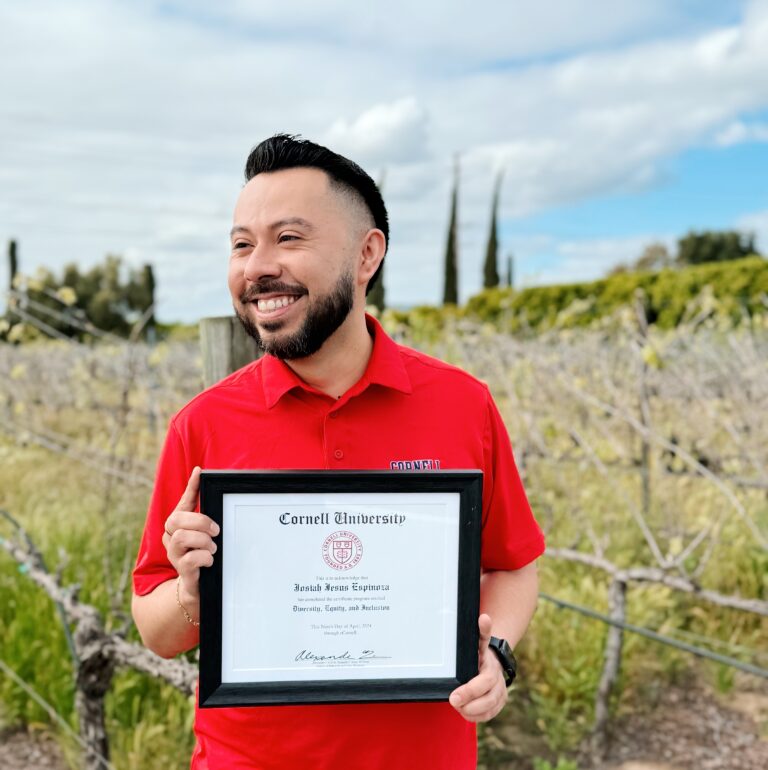
I have always been passionate to voice the voice of the unheard and provide an opportunity to bring everyone to the table. This certificate gave me the experience, tools and skills to do so... It was exactly what I needed.
‐ Josiah E.
What You'll Earn
- Diversity, Equity, and Inclusion: Building a Diverse Workforce Certificate from Cornell ILR School
- 40 Professional Development Hours (4.0 CEUs)
- 40 Professional Development Credits (PDCs) toward SHRM-CP and SHRM-SCP recertification
- 40 Credit hours towards HRCI recertification
- 36 Professional Development Units (PDUs) toward PMI recertification
Watch the Video
Hear eCornell students share their stories.
Who Should Enroll
- Managers responsible for hiring decisions
- Employees involved with candidate sourcing, screening, assessment, and decision making
- Senior leaders and other individuals who oversee strategies, policies, and practices related to the workforce
- HR professionals
- Aspiring HR managers
- Recruiters
Frequently Asked Questions
Hiring is one of the most powerful levers you have to improve equity and representation, but good intentions often break down in day-to-day recruiting, screening, interviewing, and onboarding decisions. Cornell’s Diversity, Equity, and Inclusion: Building a Diverse Workforce Certificate helps you move from broad DEI goals to practical, evidence-based hiring practices that reduce bias and improve candidate and employee experiences.
In this certificate program, authored by faculty from Cornell’s School of Industrial and Labor Relations, you will learn how to build broader, more inclusive talent pipelines, improve job and career-site messaging so candidates can see themselves in your organization, structure early screening and interviews around job-relevant criteria, and design onboarding and internal mobility practices that support long-term success. You’ll also practice measuring progress using tools like yield ratios and candidate feedback methods so your DEI work is trackable and sustainable.
You will learn with a small cohort and apply what you are learning through real-world projects, discussions, and facilitator feedback so you can bring usable outputs back to your team.
If you want practical inclusive-hiring tools, measurable ways to track progress, and the confidence to lead fairer recruiting-to-retention decisions, you should choose Cornell’s Diversity, Equity, and Inclusion: Building a Diverse Workforce Certificate.
Many online DEI offerings stop at awareness or provide generic content with little feedback on how you would change a real hiring process. Cornell’s Diversity, Equity, and Inclusion: Building a Diverse Workforce Certificate is built for application, with a human-centered learning model that combines faculty-designed curriculum, expert facilitation, and workplace-relevant projects.
Instead of learning concepts in isolation, you practice how inclusion breaks down in real hiring decisions. You examine how sourcing channels shape who applies, how job language and culture signals influence self-selection, how screening criteria and automation can create adverse impact, and how structured interviews and disciplined selection decisions reduce bias and ambiguity. You also learn how to sustain inclusion after the offer through onboarding, internal hiring, mentoring, and ongoing DEI measurement using surveys, qualitative methods, and clear reporting.
The experience is designed to keep you supported and accountable through facilitated discussions, personalized feedback on project work, and opportunities for live sessions that help you troubleshoot implementation questions.
Plus, by enrolling in Cornell’s Diversity, Equity, and Inclusion: Building a Diverse Workforce Certificate, you get two years of access to Workplace Belonging Symposium featuring two days of live, highly interactive virtual Zoom sessions that will explore today’s most pressing topics, giving you a unique opportunity to engage in real-time conversations with peers and experts from the Cornell community and beyond.
Enrolling in this certificate also provides you with a 6-month All-Access Pass to eCornell's live online AI Workshops, interactive sessions led by world-class Cornell faculty that combine Ivy League insight with practical applications for busy professionals. Each 3-hour Workshop features structured instruction, guided practice, and real tools to build competitive AI capabilities, plus the opportunity to connect with a global cohort of growth-oriented peers. While AI Workshops are not required, they enhance certificate programs through:
- Integrating AI perspectives across most curricula
- Responding to emerging AI developments and trends
- Offering direct engagement with Cornell faculty at the forefront of AI research
Cornell’s Diversity, Equity, and Inclusion: Building a Diverse Workforce Certificate is designed for professionals who influence hiring and employee success and want to build more equitable, consistent practices across the full talent life cycle. The program is a strong fit if you are expected to turn DEI goals into hiring and workforce decisions that are fair, job relevant, and measurable.
The Diversity, Equity, and Inclusion: Building a Diverse Workforce Certificate is especially relevant if you:
- Make or influence hiring decisions as a manager or team leader
- Source candidates, screen applications, run interviews, or participate in selection debriefs
- Set or oversee workforce policies and practices as a senior leader
- Work in HR, recruiting, or talent acquisition, or are moving into those responsibilities
- Want practical tools for reducing bias in screening and interviews, improving onboarding, and tracking progress over time
A specialized technical background is not required. You will get the most value if you can apply the projects to a role, team, or hiring process you know well, whether that is your current organization or a familiar past context.
Project work in Cornell's Diversity, Equity, and Inclusion: Building a Diverse Workforce Certificate is designed to help you turn DEI and hiring concepts into concrete tools you can use in real hiring and talent decisions. You will analyze scenarios, diagnose where bias can enter a hiring or employee experience, and build practical outputs like structured evaluation materials, onboarding and belonging plans, and measurable tracking approaches.
Examples of projects learners complete include:
- Analyzing recruiting funnel disparities and redesign early-stage screening and interviews by using validated job criteria, blind résumé review, structured panels, rubrics, and candidate follow-up standards to reduce bias in engineering hiring
- Building a structured, competency-based interview kit for a programmer role, including four job-relevant questions, behaviorally anchored scoring rubrics, and an equitable evaluation method that limits “culture fit” and gut-feel decisions
- Creating an inclusion and belonging action plan that strengthens pre-boarding and onboarding through buddy and executive sponsor programs, improves tracking with anonymous qualitative surveys and focus groups, and ties progress to retention and promotion metrics
- Designing interventions to reduce bias in promotions and daily team dynamics by introducing transparent advancement criteria, diverse decision panels, calibration sessions, and meeting practices that prevent interruptions and amplify marginalized voices
- Developing a SMART, metrics-driven internal mobility overhaul that publishes career ladders, standardizes promotion interviews and debriefs, and targets measurable gains in internal progression, engagement scores, and reduced turnover within a defined timeline
Across Cornell's Diversity, Equity, and Inclusion: Building a Diverse Workforce Certificate, you will leave with repeatable templates and decision practices that can be adapted to different roles, teams, and hiring contexts.
Cornell's Diversity, Equity, and Inclusion: Building a Diverse Workforce Certificate strengthens your ability to lead fair, consistent, and measurable hiring and talent practices that support organizational performance and employee belonging.
After completing the Diversity, Equity, and Inclusion: Building a Diverse Workforce Certificate, you will be prepared to:
- Successfully build a more diverse talent pool
- Develop inclusive assessment and selection practices
- Sustain progress in hiring diverse candidates through effective onboarding and employee engagement
- Identify opportunities to track progress toward diversity and inclusion goals throughout the hiring process
- Mitigate bias across each area of the hiring process
Students commonly describe long-term benefits such as leaving the program with actionable strategies they can bring directly back to their teams, stronger confidence in advancing DEI initiatives in real workplace settings, and practical tools for improving day-to-day decisions across recruiting, evaluation, onboarding, and employee development. Many also highlight the value of action-oriented assignments tied to measurable outcomes, thoughtful prompts that build more inclusive leadership behaviors, and supportive facilitator guidance and feedback that help them translate concepts into implementable practices.
What truly sets eCornell apart is how our programs unlock genuine career transformation. Learners earn promotions to senior positions, enjoy meaningful salary growth, build valuable professional networks, and navigate successful career transitions.
Cornell’s Diversity, Equity, and Inclusion: Building a Diverse Workforce Certificate, which consists of 4 short courses, is designed to be completed in 2 months. Each course runs for 2 weeks, with a typical weekly time commitment of 3 to 5 hours.
In practice, you can expect a blend of flexibility and structure:
- Asynchronous coursework you can complete on your own schedule, including short videos, readings, discussions, and project work
- Clear weekly deadlines that help you maintain momentum
- Opportunities to join live sessions that deepen learning and let you talk through implementation questions with your facilitator and peers
Designed for busy professionals, Cornell’s Diversity, Equity, and Inclusion: Building a Diverse Workforce Certificate is online and accessible from anywhere, which makes it realistic to keep progress moving even when your work calendar gets busy.
Students in Cornell’s Diversity, Equity, and Inclusion: Building a Diverse Workforce Certificate consistently describe it as a practical, career-relevant learning experience that strengthens their ability to advance DEI initiatives with confidence in real workplace settings. They often highlight how the curriculum goes beyond concepts to provide tools, reflection, and action-oriented assignments they can bring directly back to their teams.
Learners frequently point to benefits such as:
- Actionable strategies for building and sustaining a more diverse workforce
- Practical tools to strengthen DEI efforts in day-to-day workplace decisions
- Assignments that connect DEI frameworks to real scenarios and measurable outcomes
- Thoughtful prompts that encourage self-reflection and more inclusive leadership behaviors
- Multiple perspectives and expert insights that broaden how learners approach equity and inclusion
- Clear, well-organized modules with a manageable, motivating structure
- Flexible, self-paced learning that fits demanding professional schedules
- Strong facilitator presence, timely feedback, and supportive guidance
- Engaging mix of short videos, readings, discussions, and applied projects
- An easy-to-use online platform that makes it convenient to learn from anywhere
Overall, students say they finish Cornell’s Diversity, Equity, and Inclusion: Building a Diverse Workforce Certificate feeling more informed, better equipped with practical resources, and ready to apply inclusive hiring and workforce development practices immediately on the job.
Bias can enter the hiring process before you ever schedule an interview, through narrow sourcing channels, identity-threatening job language, and early screening criteria that are not truly job relevant. Cornell's Diversity, Equity, and Inclusion: Building a Diverse Workforce Certificate equips you to broaden who enters your pipeline and to make front-end screens more consistent and fair.
You will learn how to evaluate sourcing methods for their diversity impact, improve recruiting and career-site messaging so underrepresented candidates are more likely to apply, and identify common screening issues such as unnecessary requirements, irrelevant résumé information, and bias risks in automated screening tools. You’ll also practice measuring whether your changes work by using recruitment data like yield ratios and by collecting structured candidate feedback.
The result is a clearer, more defensible approach to early-stage hiring that supports both inclusion goals and better talent decisions.
Inclusive intent is easiest to lose in interviews and final decisions, especially when interviewers rely on “gut feel,” unstructured conversations, or vague ideas of “fit.” Cornell's Diversity, Equity, and Inclusion: Building a Diverse Workforce Certificate helps you structure evaluation so candidates are assessed consistently using job-relevant evidence.
You will explore how confirmation bias, overconfidence, and stereotypes can shape interview impressions, and you’ll learn practical alternatives such as structured interview questions, standardized scoring rubrics, panel approaches, and clearer decision rules. The program also addresses how to make interview processes more accessible, including accommodations that can improve fairness for neurodiverse and disabled candidates.
By the end of Cornell’s Diversity, Equity, and Inclusion: Building a Diverse Workforce Certificate program, you will be better prepared to participate in interviews and debriefs that are consistent, equitable, and aligned to the actual requirements of the role.
Hiring a diverse slate is only the start. The early employee experience, from the offer through the first months on the job, strongly influences whether people feel they belong and can succeed. Cornell's Diversity, Equity, and Inclusion: Building a Diverse Workforce Certificate helps you design onboarding and growth practices that support retention and advancement for employees from marginalized backgrounds.
You will explore how to create more inclusive offers and negotiation practices, build onboarding experiences that signal belonging, and strengthen internal mobility through transparent internal hiring practices and development opportunities. You’ll also learn how to monitor progress over time using representation tracking, inclusion surveys, and qualitative feedback methods such as focus groups so you can identify where employees are thriving and where systems need improvement.
These capabilities help you connect inclusion to sustained employee success, not just the moment a candidate accepts an offer.
Explore programs to meet your professional goals
Certificates

Earn a Cornell credential as you complete multiple courses.
- 2 to 6 months
- $2,000 to $10,000
- Online
Courses

Learn in a small cohort, with graded assignments and opportunities for live sessions.
- 2 to 4 weeks
- $299 to $1,199
- Online
Workshops

Develop AI skills and strategies in interactive sessions with Cornell faculty.
- 3 hours
- $449
- Online
Degrees

Earn a professional master’s degree from Cornell University.
- 15 to 24 months part-time
- Tuition varies
- In person or online
On Campus
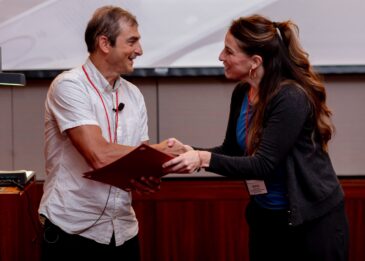
Join us in Ithaca or NYC to engage with peers and experts from around the world.
- 2 to 5 days
- $3,000 to $10,000
- In person - Ithaca or NYC
Programs for Teams
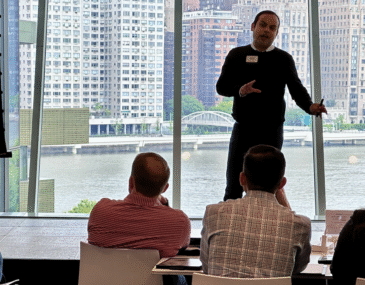
Address strategic challenges with Cornell University faculty to develop the skills required for organizational success.
- Custom Enterprise Programs
- Price varies
- In person or hybrid
Request Information Now by completing the form below.
Act today—courses are filling fast.
Purchase Options
3900

Diversity, Equity, and Inclusion: Building a Diverse Workforce
| Select Payment Method | Cost |
|---|---|
| $3,900 | |
Review Program Pricing and Details