
Course list

Interested in expanding your knowledge of wines? Whether you're an industry professional or simply a wine enthusiast, this hands-on course takes you on a journey through the winemaking process, from grape to glass. Learning from world-renowned industry experts from Cornell, you will learn to successfully identify the components of wine and how they affect perceptions before exploring your personal palate and conducting sensory evaluation, using sight, smell, taste, and touch. You will explore various wine growing techniques and analyze how geography and climate impact the grape. Finally, you will identify the correct service and storage approaches to use based on the type and style of wine.

This program is intended for use by persons of legal drinking ages under the relevant applicable laws where they reside. Students will need to purchase wine, sugar, and other items commonly found in grocery stores to participate in tasting exercises.

  • May 27, 2026
  • Jul 22, 2026
  • Sep 16, 2026
  • Nov 11, 2026
  • Jan 6, 2027
  • Mar 3, 2027
  • Apr 28, 2027

This course will guide you in exploring eight important wine regions of France: Alsace, Bordeaux, Burgundy, Champagne, Loire Valley, Rhône Valley, Languedoc-Roussillon, and Provence. You will start with an overview of the French wine laws and classification system, then you will begin your study of each region. Within each region, you will consider its unique history with winemaking, how the climate affects grape growing and winemaking, the grape varietals and wine styles most associated with that region, and its unique classification system and labeling requirements, You will finish your course by selecting a winery from four of the regions and researching them, along with a specific wine from each, to summarize how these varied aspects of wine production — climate, viticulture, winemaking practices, and classifications — work together to produce the great French wines that are known and respected worldwide.

The following course is required to be completed before taking this course:

  • Wine Essentials
  • Jun 17, 2026
  • Oct 7, 2026
  • Jan 27, 2027
  • May 19, 2027

In this course, your journey with French wines culminates with a wine-tasting experience. You will select and compare two to six wines from the eight wine regions we studied. In addition to reviewing important wine label terms, you will explore how the French wine market works and the factors affecting wine prices. You will then prepare for a casual, at-home wine tasting, which includes selecting wines to share and determining appropriate food pairings. During your event, you will observe how different people interpret different wines. You will also consider the ways in which the wines are distinct from each other and compare your expectations to your experiences as well as the experiences of your guests.

The following courses are required to be completed before taking this course:

  • Wine Essentials
  • Foundations of French Wines

Important: Alternatives can be made for those who do not drink alcohol, who are in areas where alcohol purchases or consumption are not allowed, or who are in circumstances where in-person gatherings are either not allowed or not recommended.

  • Jul 8, 2026
  • Oct 28, 2026
  • Feb 17, 2027
  • Jun 9, 2027

How It Works

Frequently Asked Questions

French wine can feel intimidating because so much meaning is embedded in place names, classification terms, and regional traditions. Cornell’s Wines of France Certificate helps you turn that complexity into practical confidence so you can choose, evaluate, and talk about French wines with clarity in real situations.

In this certificate program, authored by faculty from the Nolan School of Hotel Administration at the Cornell SC Johnson College of Business, you will build a foundation in how wine is made and how to taste it systematically, then apply that skill to France’s major regions by connecting climate, geography, grapes, and winemaking choices to what ends up in the glass. Along the way, you practice decoding labels and anticipating style and quality cues so you can make better buying and pairing decisions.

The experience stays hands-on. You calibrate your palate using a structured tasting approach (including sight, smell, and taste), learn to recognize common wine faults, and develop practical service and storage habits that improve how wine shows for you and your guests.

If you want confidence in decoding French labels, a repeatable framework for tasting and describing wine, and practical service and pairing skills you can use right away, you should choose Cornell’s Wines of France Certificate.

Many online wine courses are content-first and mostly self-guided, which can leave you with information but not always the ability to use it confidently. Cornell’s Wines of France Certificate is built around applied practice, facilitated feedback, and a small-cohort learning model that helps you translate knowledge into real decisions about selection, tasting, pairing, and service.

You learn from faculty-authored content developed at Cornell then deepen your skills through structured activities that mirror how you actually interact with wine. That includes using a systematic evaluation process, building aroma vocabulary with tools like the Aroma Wheel, and learning to spot common faults so you can make informed recommendations instead of relying on guesswork.

The Wines of France Certificate experience is also human centered. In addition to asynchronous coursework, you have opportunities for live sessions with your facilitator and peer discussion, which gives you a place to ask practical questions, compare observations, and refine how you describe what you are tasting. The result is a more interactive, skill-building path to mastering French wine regions and labels than a purely self-paced survey course.

Cornell’s Wines of France Certificate is designed for anyone who wants a structured, practical way to understand and enjoy French wine, without needing prior formal wine training.

The Wines of France Certificate is a strong fit if you are:

  • A wine enthusiast who wants to make French regions, appellations, and labels feel understandable
  • A hospitality professional who wants to make more confident suggestions about French wines and improve service and storage practices
  • A retailer or distributor who needs a clearer way to connect place, grapes, and style when helping customers choose
  • A professional who entertains and wants to select wines, plan pairings, and host tastings with more confidence

Because tasting activities involve alcohol, Cornell’s Wines of France Certificate is intended for learners of legal drinking age where they live, and you should be prepared to purchase wine and a few common household items to participate in tasting exercises. If you don’t drink alcohol or can’t purchase or consume alcohol, alternatives can be made for tasting activities so you can still complete the learning experience.

Project work in Cornell’s Wines of France Certificate is designed to help you apply what you learn in a realistic, enjoyable way, often by planning and running comparisons that make regional differences easier to taste and explain.

Examples of projects learners have completed include:

  • Guiding guests through a Pinot Noir-focused tasting that compares a Pinot-based Champagne, a still red from Champagne, and a Burgundy village Pinot to show how region and style reshape the same grape
  • Hosting a holiday dinner tasting that contrasts two grower Champagnes and a cru Beaujolais red to manage different palate preferences while practicing structured group evaluation and pairing decisions
  • Building a high-contrast French lineup that moves from grower Blanc de Blancs Champagne to Grand Cru white Burgundy and finishes with a structured Left Bank Bordeaux to teach how terroir and winemaking drive texture and balance
  • Comparing three Southern Rhône appellations side by side, using Châteauneuf-du-Pape, Gigondas, and Vacqueyras to evaluate how elevation, soils, and blend composition change structure and finish
  • Planning a salmon-centered dinner pairing that tests a classic Loire Sauvignon Blanc, an unoaked Burgundy Chardonnay, and a light-bodied Burgundy red to explore acidity, minerality, and food-driven wine selection

Across Cornell’s Wines of France Certificate, your submissions build your ability to select wines intentionally, describe what you taste using a consistent framework, and make pairing and service choices that fit the setting.

Cornell’s Wines of France Certificate equips you with a practical, repeatable way to evaluate, select, and recommend French wines so you can contribute with more confidence in hospitality, retail, distribution, and client-facing settings.

After completing the Wines of France Certificate, you will be prepared to:

  • Describe the process of making wine and its components
  • Evaluate wine using sight, smell, and taste in order to make informed decisions and recommendations
  • Interpret French wine labels and select wines from France with confidence
  • Pair wine with food appropriately
  • Store and serve wine properly based on the type and style of wine

Over time, learners report that the program makes French wine feel understandable and approachable, even when working through complex regions and classification systems. Students commonly describe increased confidence in how they taste, talk about, and select French wines, along with lasting value from the tasting frameworks, label tools, and reference resources they continue to use after the program. Many also highlight the practicality of the experience, including engaging projects, expert perspectives in the course content, and helpful facilitator feedback that makes it easier to apply what you learn.

What truly sets eCornell apart is how our programs unlock genuine career transformation. Learners earn promotions to senior positions, enjoy meaningful salary growth, build valuable professional networks, and navigate successful career transitions.

Cornell’s Wines of France Certificate, which consists of 3 short courses, is designed to be completed in 3 months. Each course runs for 3 weeks, with a typical weekly time commitment of 3 to 5 hours.
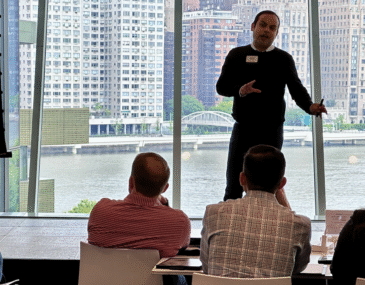
Designed for working professionals, much of the learning is completed asynchronously on your schedule through lessons, activities, and project work. The schedule stays flexible while still keeping you moving forward. Courses have clear weekly expectations and deadlines, and many learners choose to join live sessions to ask questions and learn with peers in real time.

Students in the Wines of France Certificate often say the program makes French wine feel understandable and approachable, even when covering complex topics like regions, appellations, and classification systems. Many describe gaining confidence in how they taste, talk about, and select French wines, and they appreciate that the learning is engaging, practical, and easy to fit into a busy schedule.
Learners frequently highlight:

  • Clear explanations of French wine classifications and labeling
  • Strong coverage of major French regions, styles, grapes, and terroir
  • Practical tasting frameworks that improve aroma and flavor identification
  • Useful tools and resources they continue to reference after the course
  • Expert perspectives through interviews and guided video content
  • Interactive projects that reinforce regional knowledge and tasting skills
  • Knowledgeable, approachable facilitators who provide actionable feedback
  • A flexible online format that supports steady progress at your own pace
  • Opportunities to learn alongside peers and ask questions in discussions or live sessions
  • A fun, motivating experience that sparks ongoing exploration of French wine

Hands-on tasting is part of the learning experience in Cornell’s Wines of France Certificate, so you should expect to purchase wine to participate fully in tasting activities. You will also use a few low-cost items commonly found in grocery stores for sensory exercises.

The program is intended for learners who are of legal drinking age where they live. If you don’t drink alcohol or can’t purchase or consume alcohol, alternatives can be made for tasting activities so you can still complete the learning experience.

Cornell’s Wines of France Certificate includes opportunities to learn alongside other professionals and enthusiasts in a small, facilitated cohort. In addition to discussion activities, many learners choose to attend live online sessions where you can ask questions, compare tasting observations, and connect course concepts to real selection, pairing, and service scenarios.

Even when you complete most coursework on your own time, the facilitated format means you are not learning in isolation. You receive guidance and feedback from an expert facilitator as you progress through projects and activities.

French labels often emphasize place over grape, which is why they can feel hard to interpret at first. Cornell’s Wines of France Certificate helps you connect the dots between classification terms, regions, and the grapes and styles you are most likely to encounter so you can anticipate what a bottle will be like before you buy or recommend it.

You will study France’s main quality and origin hierarchy, learn how regional rules shape what can be planted and how wine can be produced, and practice interpreting common label terms you’ll see across major regions. You also build region-and-varietal fluency so you can infer likely grapes and styles from place names such as key appellations in areas like Bordeaux, Burgundy, Champagne, the Loire, Alsace, and the Rhône.

By the end of Cornell’s Wines of France Certificate program, you will be better prepared to make informed selections across a range of price points by using label cues, regional context, and producer information rather than relying only on familiarity or guesswork.

Request Information Now by completing the form below.

Act today—courses are filling fast.